We have an extensive reading list and discussion questions from age-appropriate children’s books for students grades K-8 to help learn the basics of democratic deliberation.
-
70+ Children’s Books, from C70
A crowdsourced bibliography from Philadelphia educators pairing children’s books with the civic themes they teach, from becoming a change agent to understanding the electoral process, for further reading beyond the core lesson list.
-

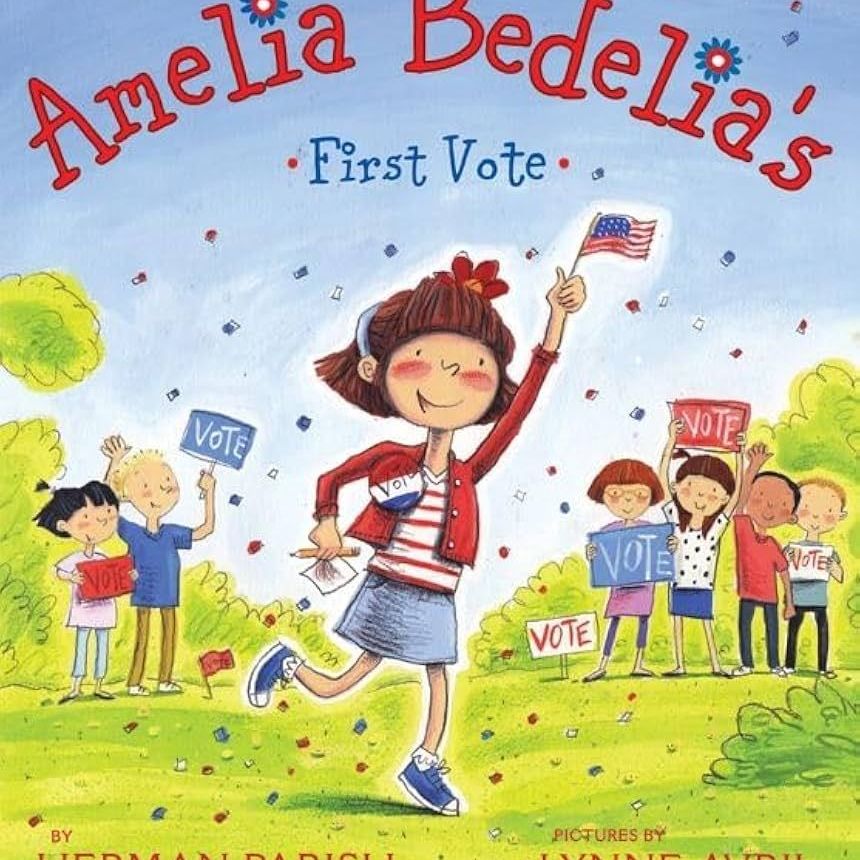
Amelia Bedelia’s First Vote by Herman Parish
Centers on student voice and civic responsibility, asking students to identify a rule at home, school, or in their community they’d like to change and think through how to advocate for that change.
-
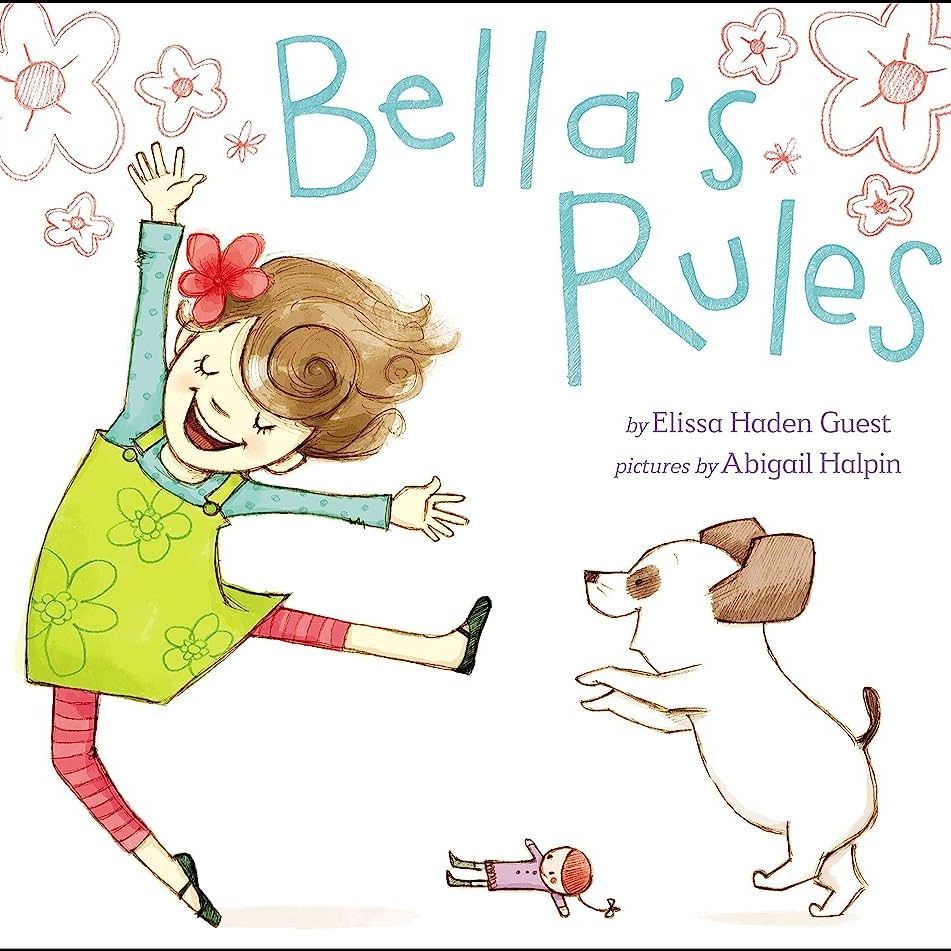
Bella’s Rules by Elissa Haden Guest
Bella prefers her own rules to her family’s, until getting a puppy who won’t follow rules either. Students discuss why rules exist, compare their own family rules to Bella’s, and consider whether some rules are made to be broken.
-
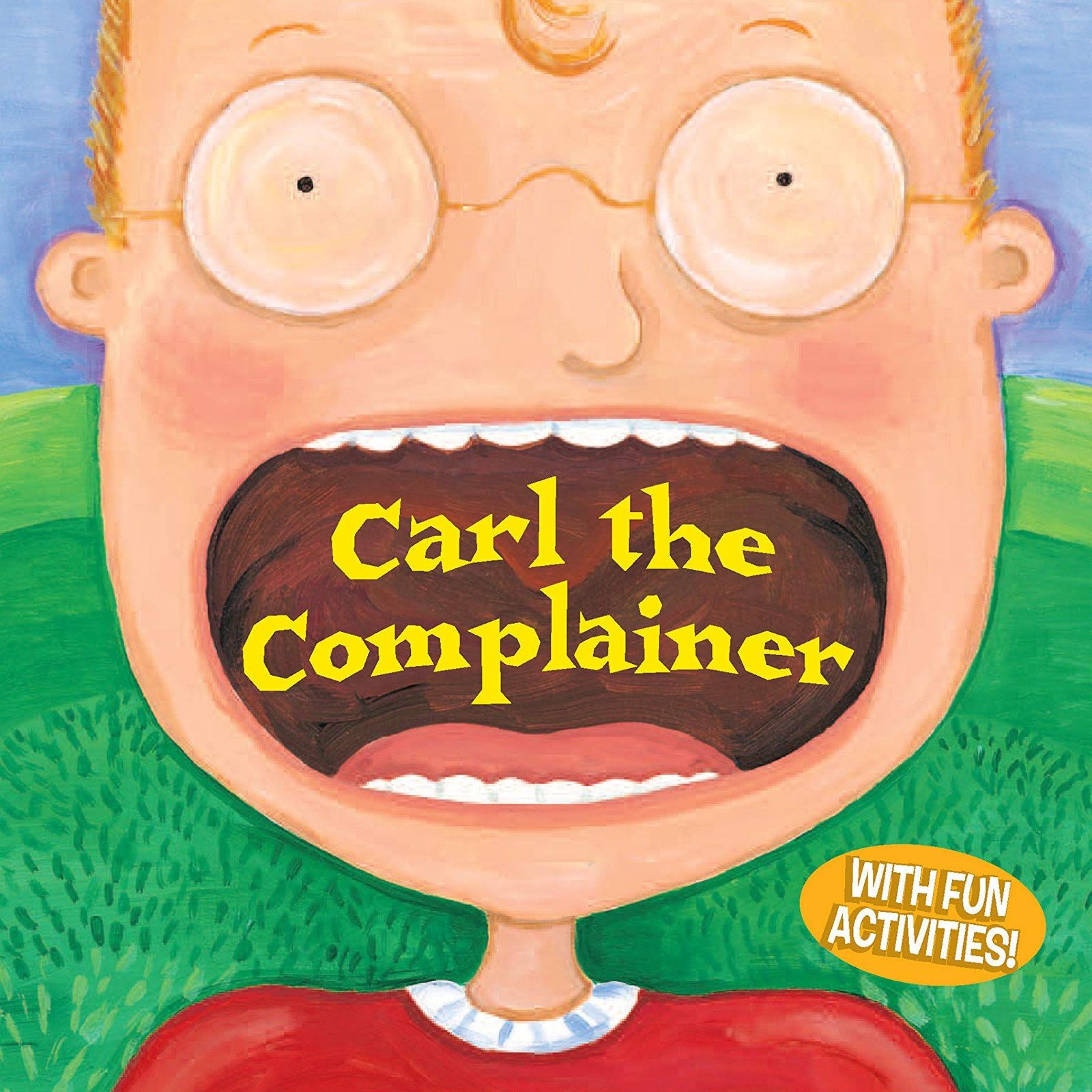
Carl the Complainer by Michelle Knudsen
Carl complains constantly about his neighborhood but never acts, until he finally does. Students reflect on turning complaints into action and consider what it takes to become a community leader.
-
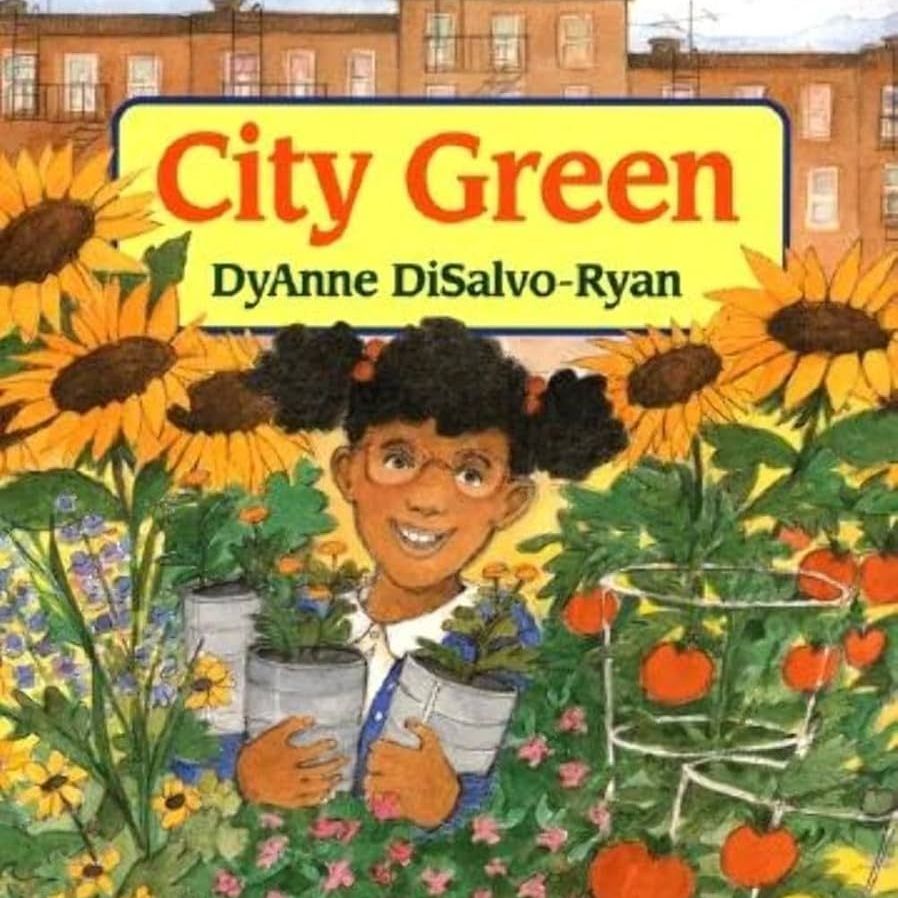
City Green by DyAnne DiSalvo-Ryan
Neighbors transform a trash-filled vacant lot into a community garden. Tied to a day of service honoring Dr. King, students discuss youth civic engagement and brainstorm ways to improve their own neighborhood.
-
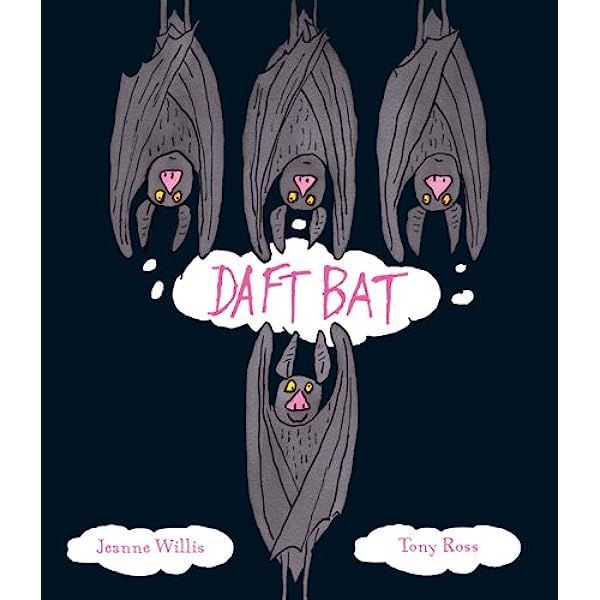
Daft Bat by Jeanne Willis
When the other animals think Bat is “daft” for seeing the world differently, students explore why differing points of view matter and practice handling a sticky situation involving a new classmate’s different school rules.
-
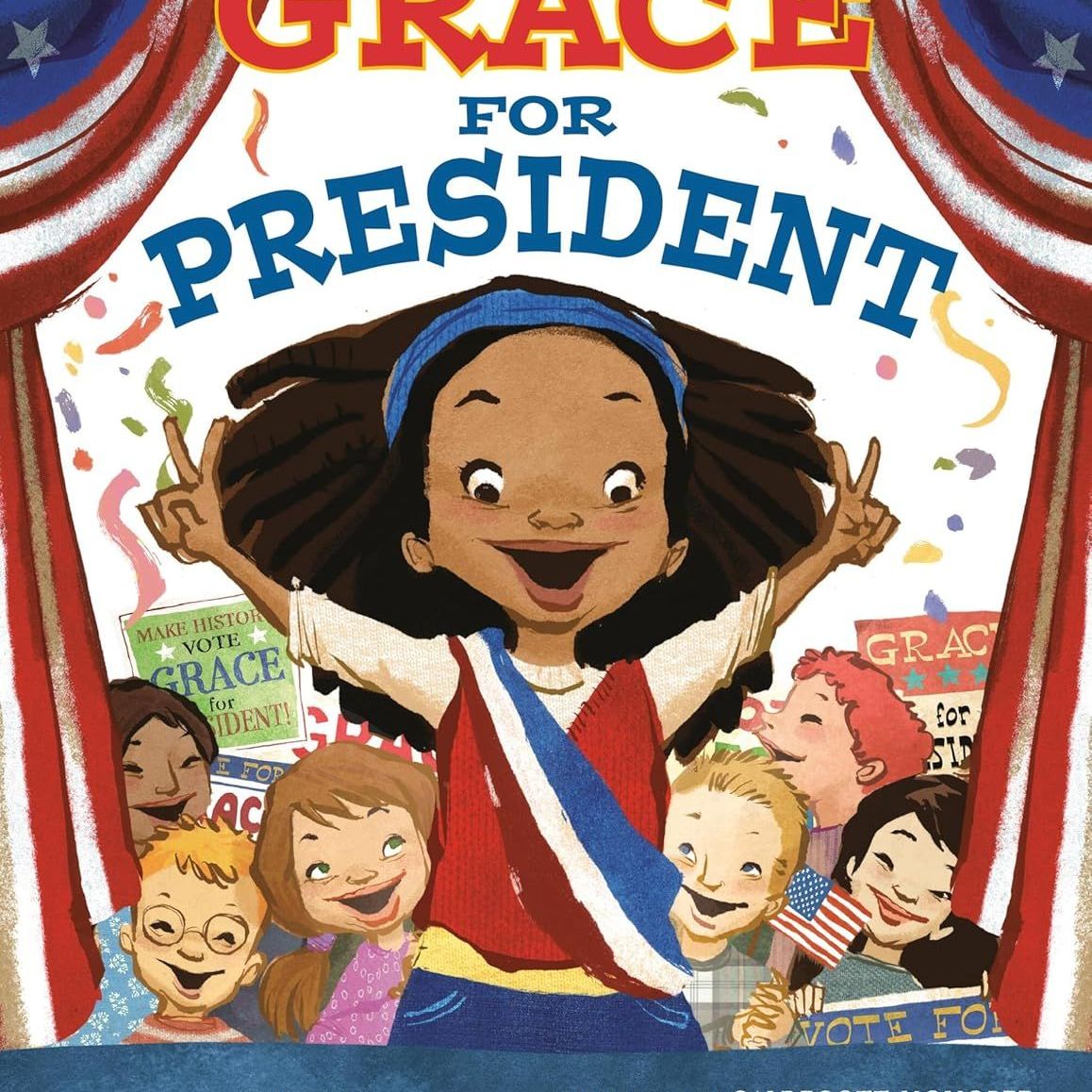
Grace for President by Kelly DiPucchio
Opens with a “minute mystery” warm-up before following Grace’s class election campaign. Students discuss the choice to vote, weigh candidates’ promises, and reflect on what makes someone an active citizen.
-
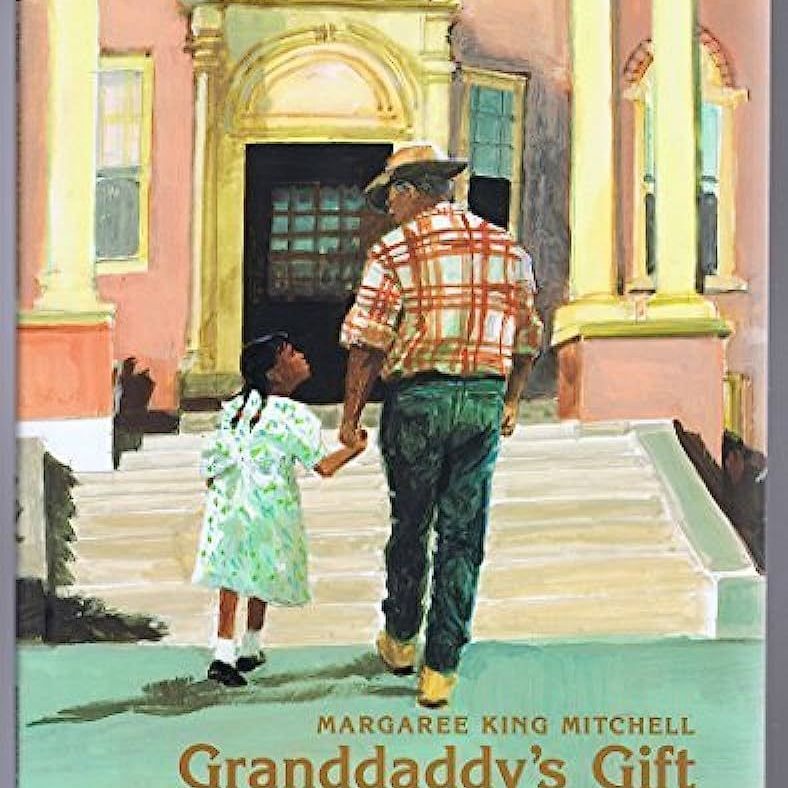
Granddaddy’s Gift by Margaree King Mitchell
Set after the 15th Amendment, Granddaddy risks everything to become the first Black man in his Mississippi town to register to vote. Students discuss why every voice matters and the barriers voters have faced.
-
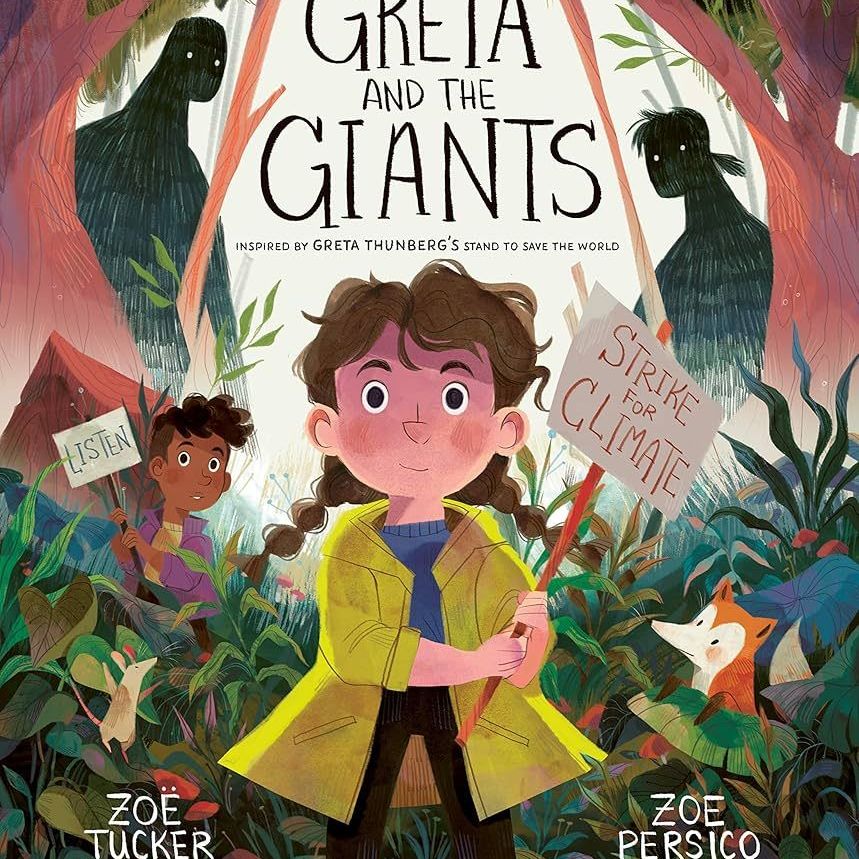
Greta and the Giants by Zoe Tucker
Inspired by Greta Thunberg’s climate activism, alongside other young changemakers like Marley Dias and Mari Copeny, this lesson encourages students to see themselves as capable of driving real-world change.
-
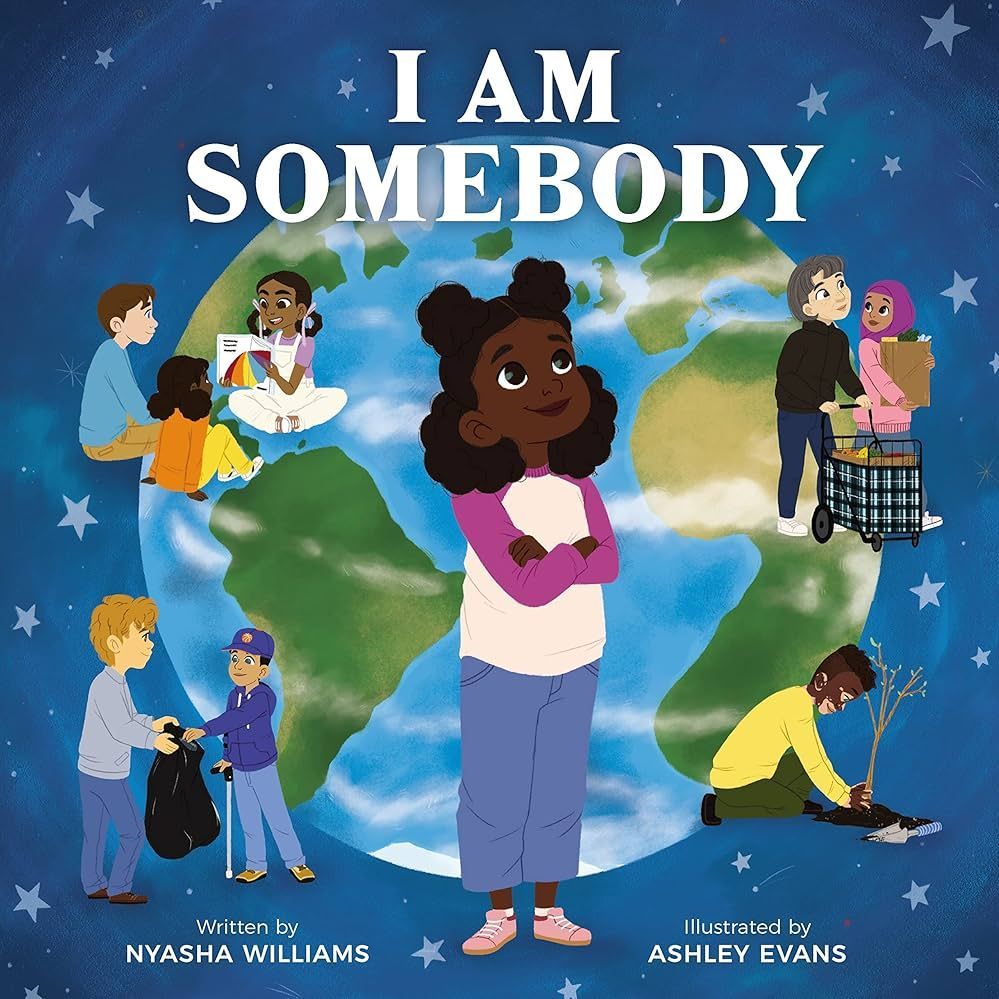
I Am Somebody by Nyasha Williams
Opens with a warm-up “minute mystery” before exploring everyday moments, like littering or teasing, where a bystander could step in. Students consider what it means to be the “somebody” who helps.
-
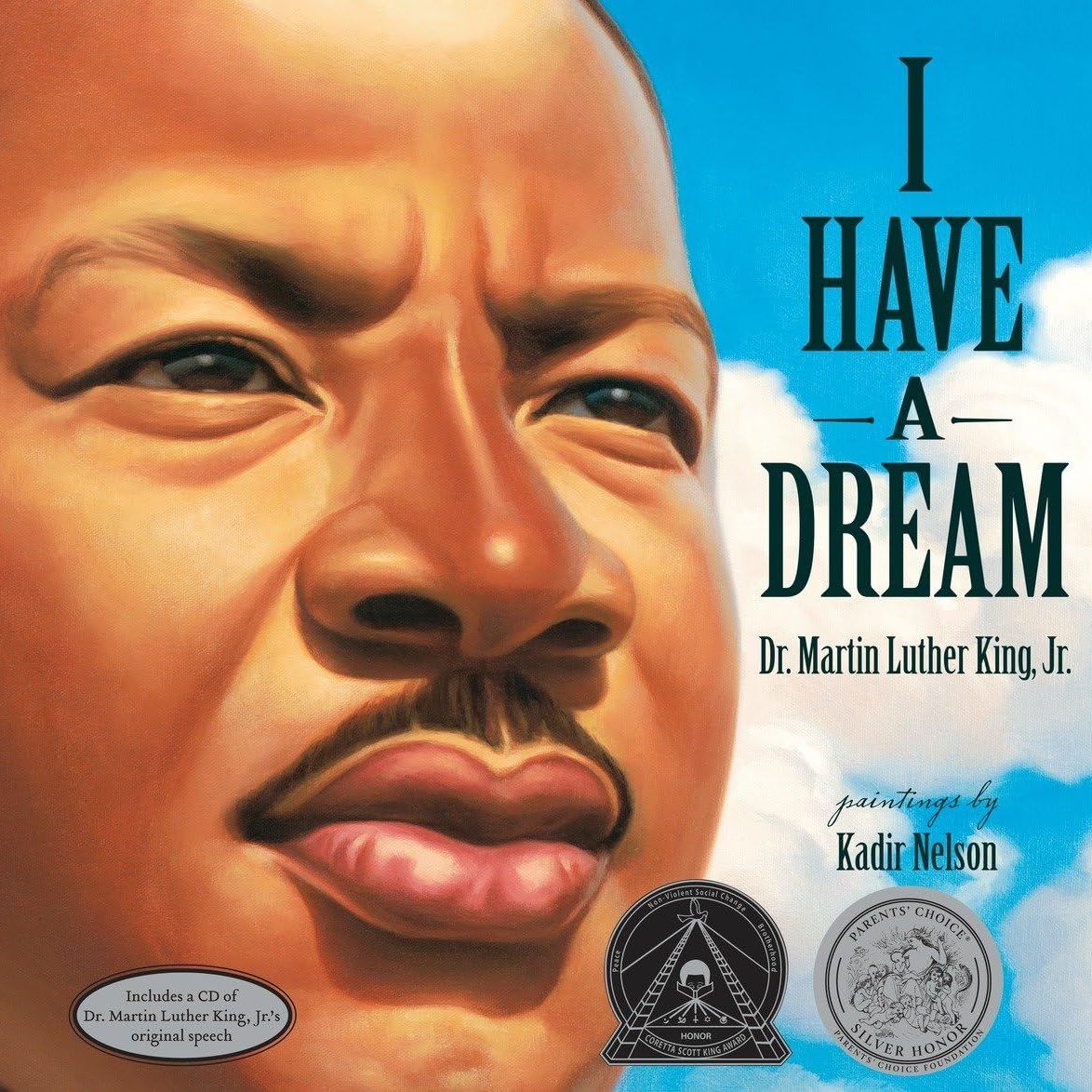
I Have a Dream by Dr. Martin Luther King, Jr., illustrated by Kadir Nelson
Students listen to or read Dr. King’s 1963 speech and reflect on how far the country has come toward his vision of freedom and equality, and what dream they hold for its future.
-
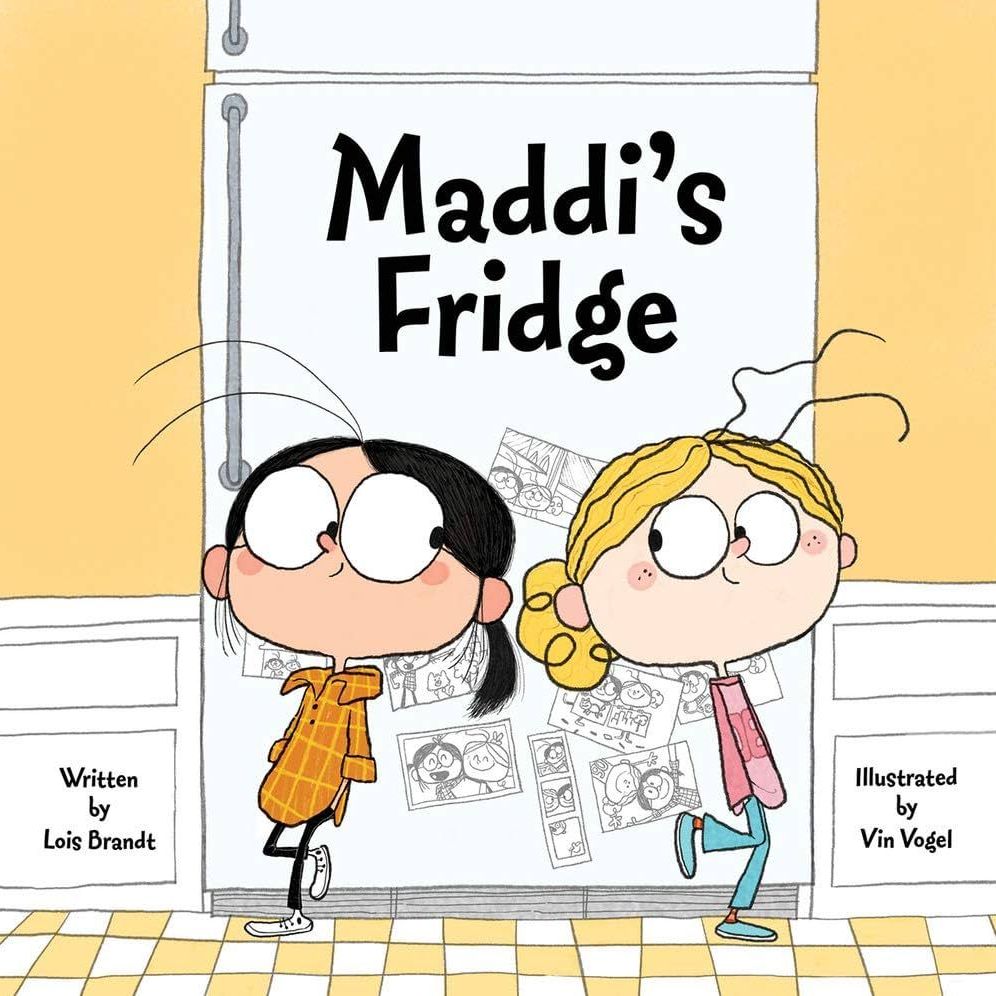
Maddi’s Fridge by Lois Brandt
Written with a 2nd-grade collaborator, this lesson uses Maddi’s empty fridge to introduce food insecurity, asking students to define the term in their own words and consider what they’d do if they were hungry.
-
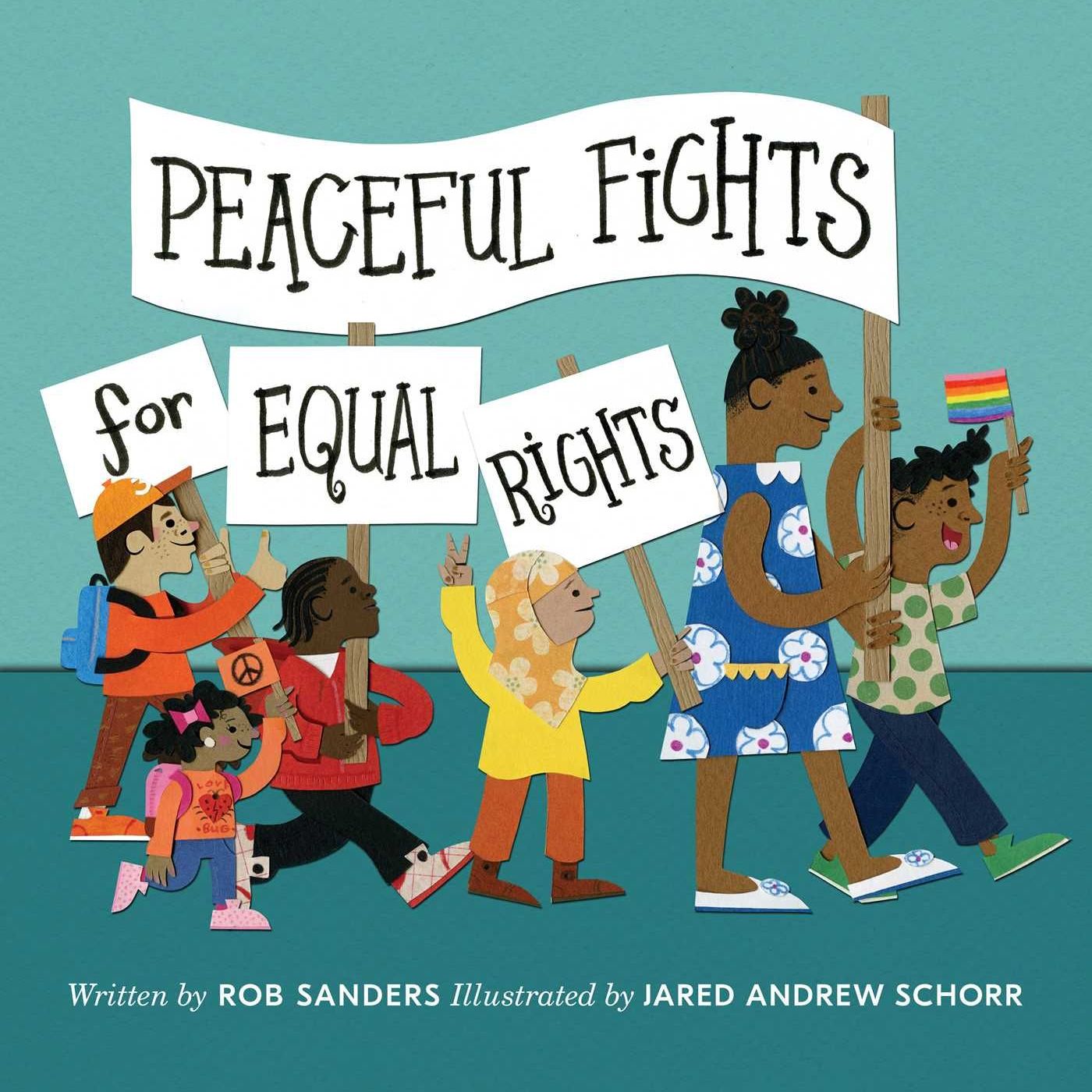
Peaceful Fights for Equal Rights by Rob Sanders
Explores Dr. King’s commitment to nonviolent protest through a local-government S.T.A.R. Card exercise, asking students to weigh both sides of a hypothetical school board decision before discussing the book.
-
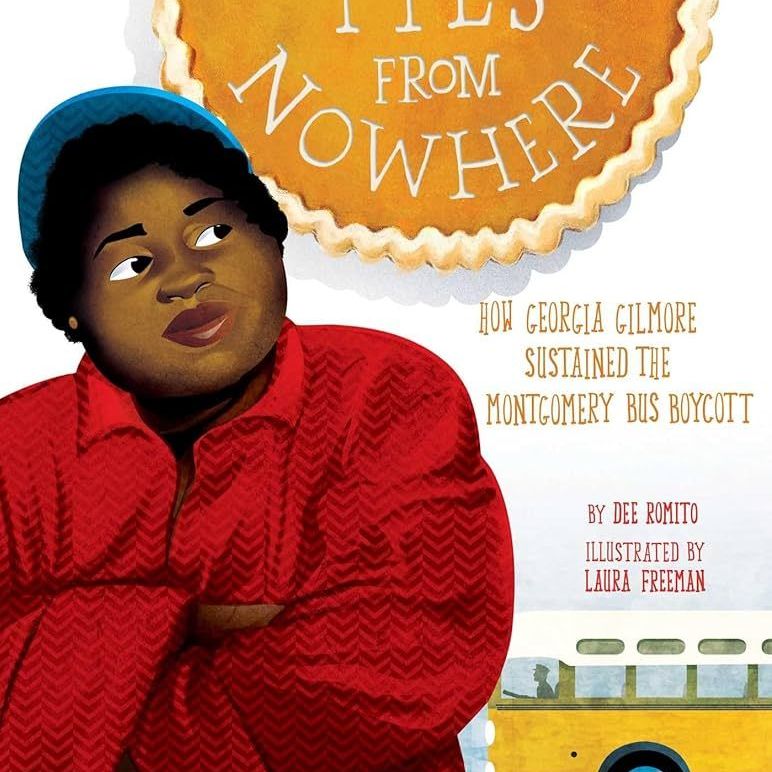
Pies from Nowhere by Dee Romito
The true story of Georgia Gilmore, who funded the Montgomery Bus Boycott by selling pies from “the Club from Nowhere.” Students consider how one person’s skills can fuel meaningful community change.
-
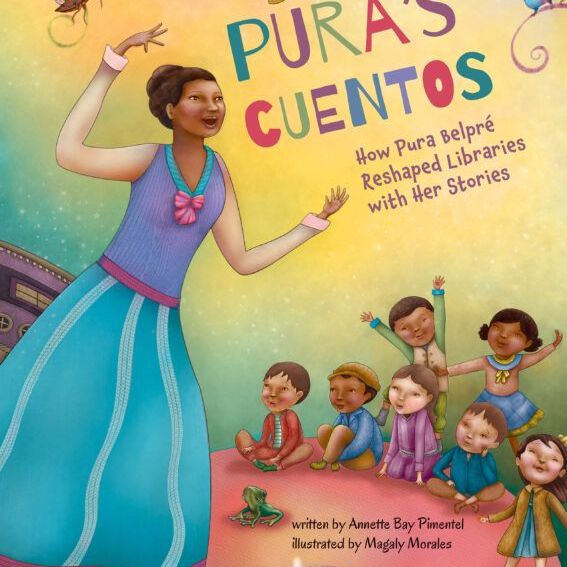
Pura Cuentos by Annette Bay Pimental
Tells the story of Pura Belpré, the first Latina librarian in New York City, who worked to make libraries welcoming spaces. Students discuss barriers to access and ways to champion fairness in their own communities.
-
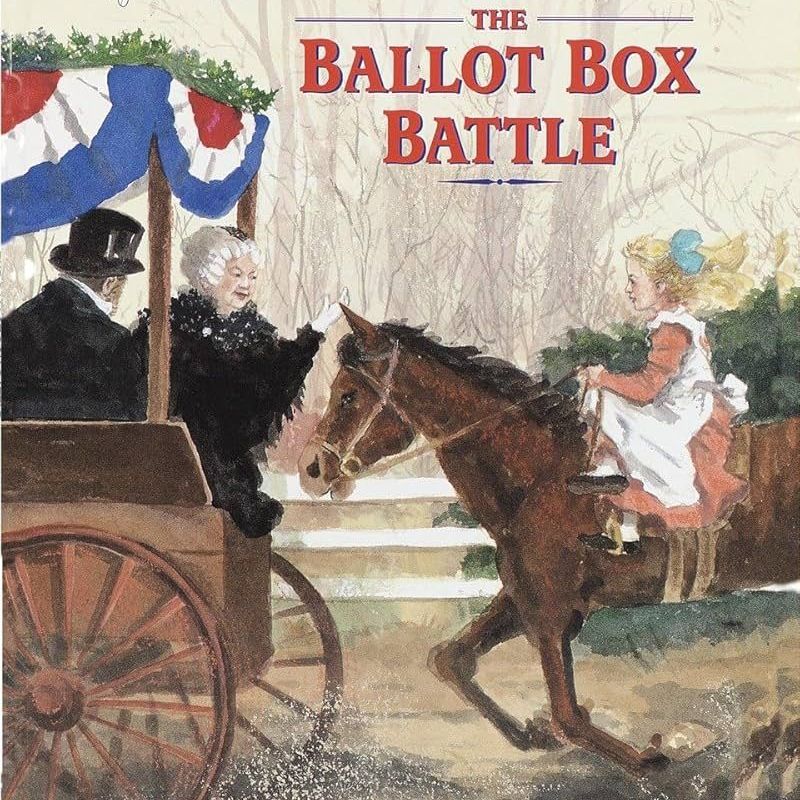
The Ballot Box Battle by Emily Arnold McCully
Looking at the 19th Amendment and the voting-rights struggles that continued for women of color afterward, students learn about suffrage activists and discuss ongoing challenges to voting access today.
-
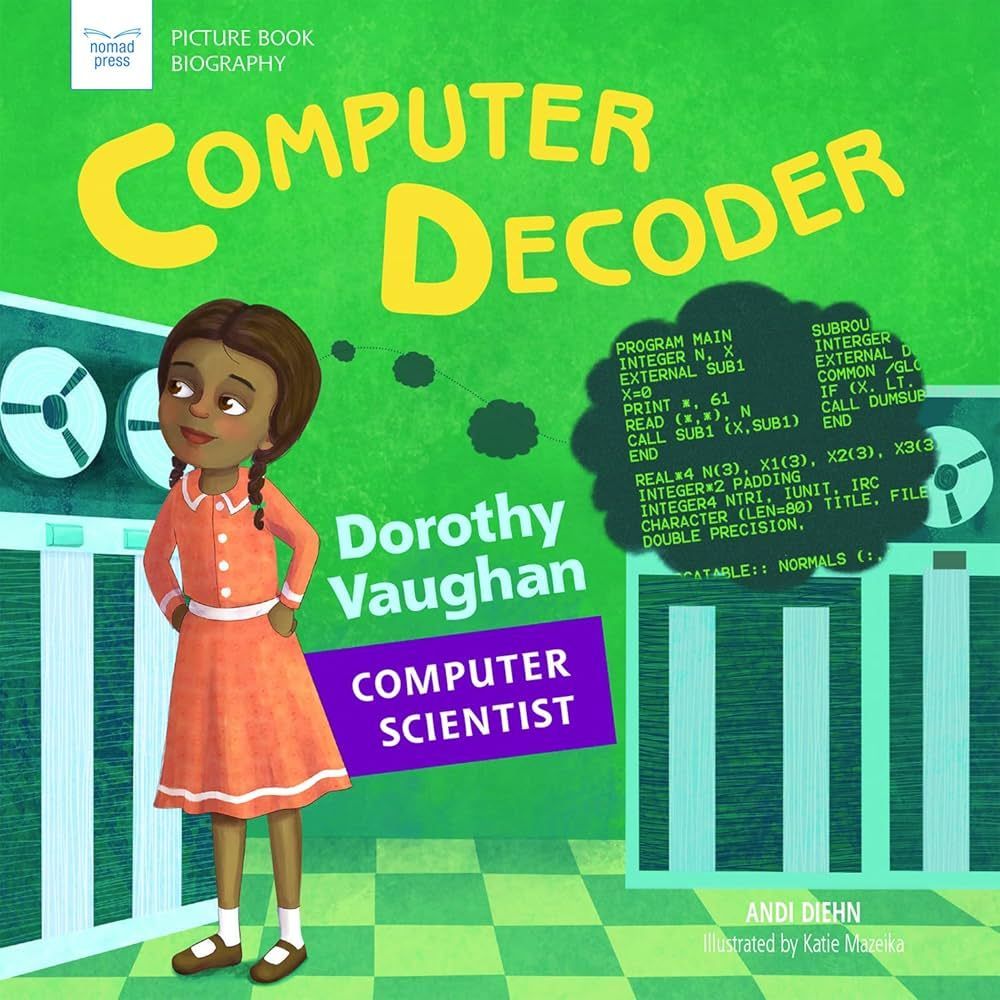
The Computer Decoder by Andi Diehn
Tells the true story of Dorothy Vaughan, a “human computer” at NASA who advocated for fair wages and recognition. Students connect her story to Dr. King’s work on labor rights and workplace fairness.
-
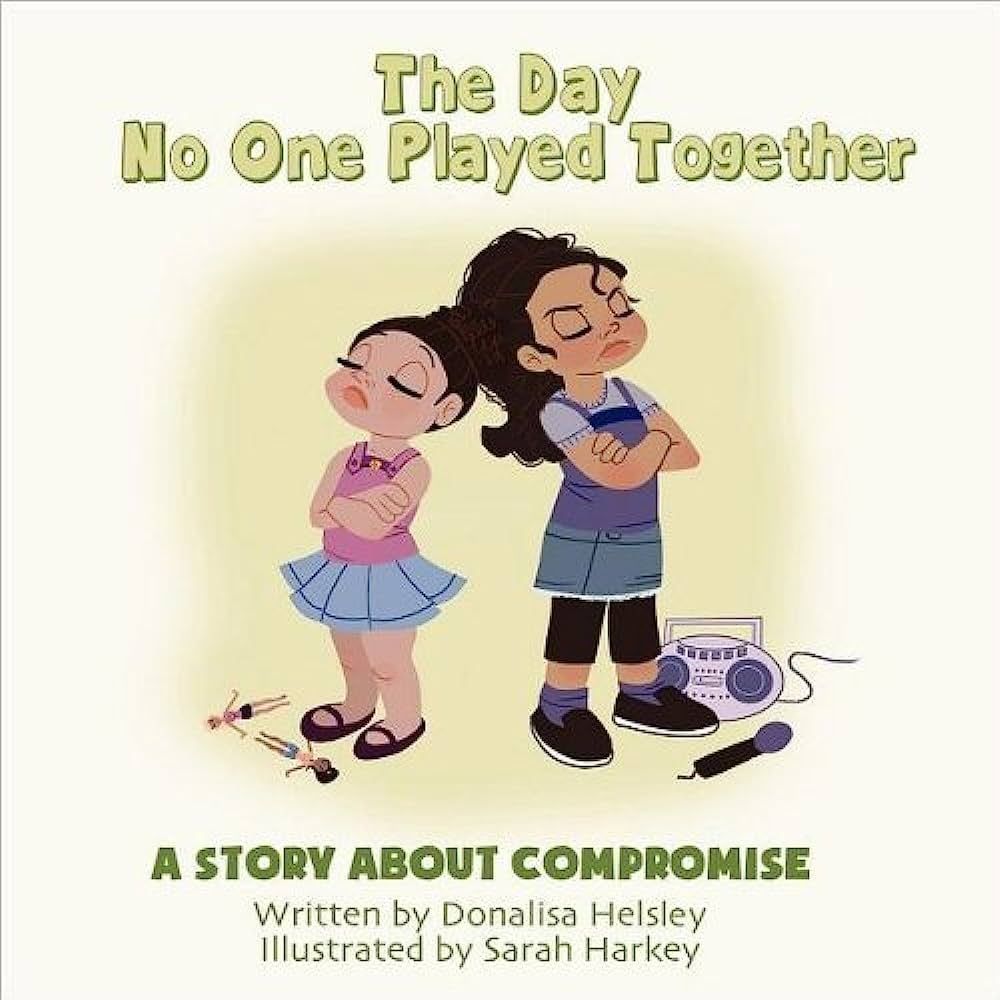
The Day No One Played Together by Donalisa Helsely
Sisters Jadyn and Genesis can’t agree on what to play until they find a compromise. Students examine the lose/lose cost of not compromising and practice applying the same skill to their own conflicts.
-
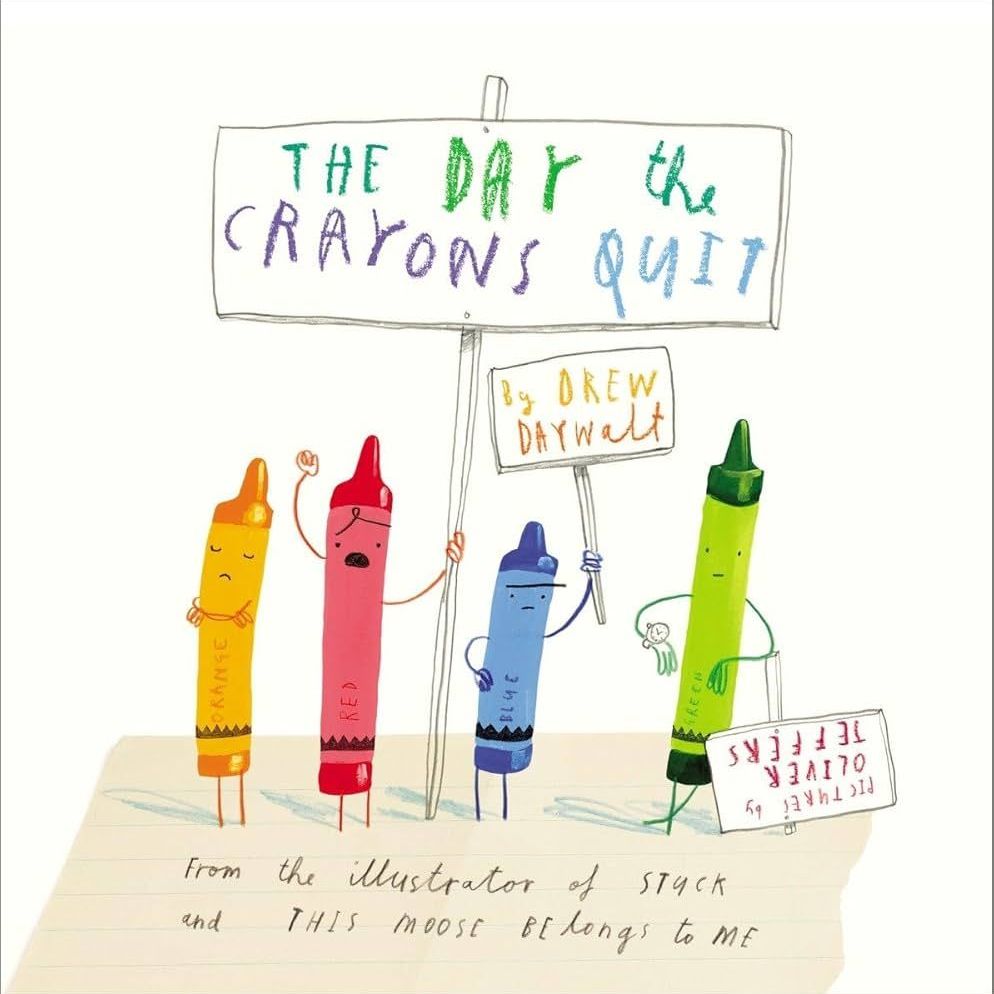
The Day the Crayons Quit by Drew Daywalt
Duncan’s crayons “quit” to voice their frustrations peacefully. Students connect the story to Dr. King’s philosophy of nonviolent action and consider how to use their own voice for positive change.
-
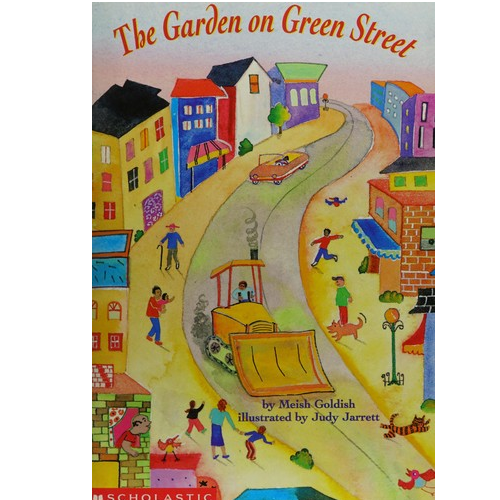
The Garden on Green Street by Meish Goldish
Neighbors build a garden on a vacant lot, only to have it threatened by developers. Students learn the difference between advocating for themselves, for others, and for broader community change.
-
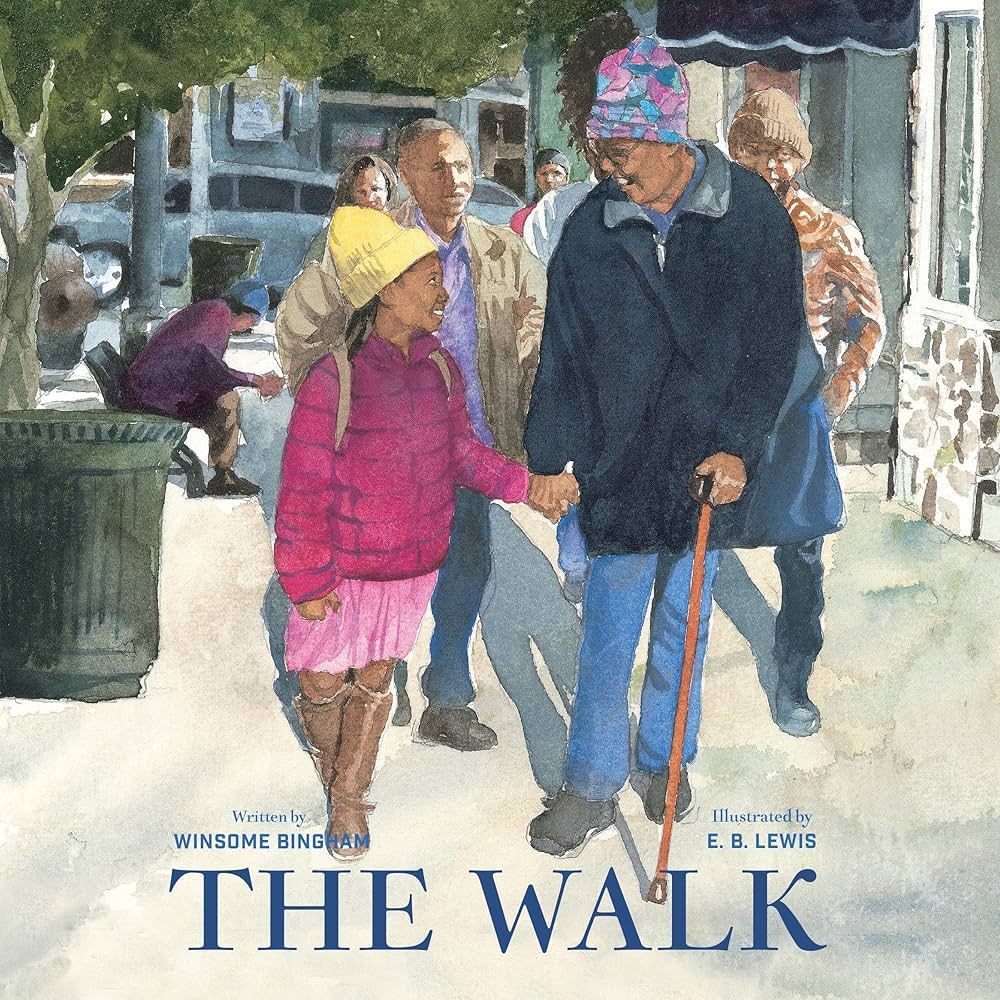
The Walk by Winsome Bingham
Centers on Dr. King’s belief that voting is the foundation of democracy, using a local-government S.T.A.R. Card about election-commissioner duties to connect the book’s story to real civic institutions.
-
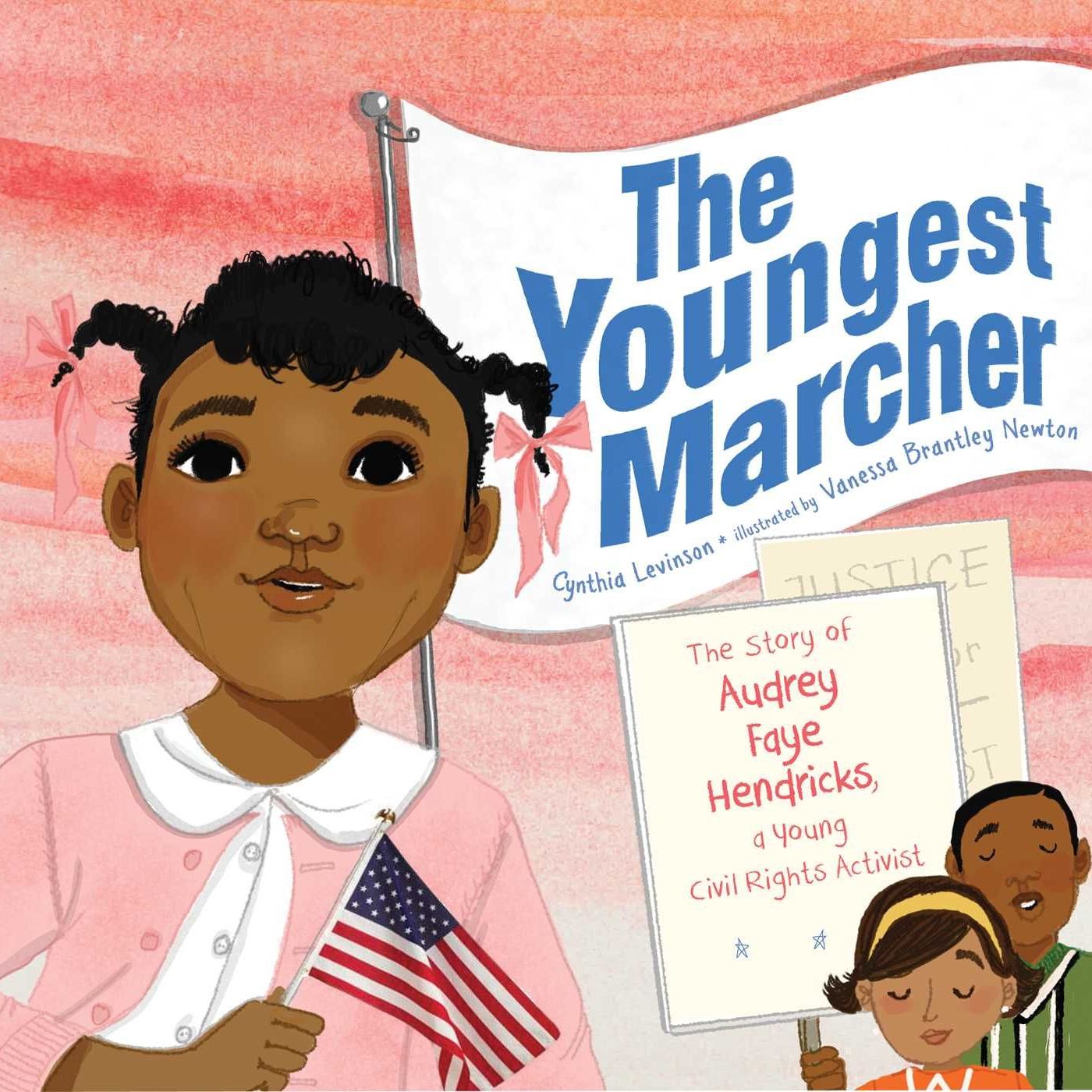
The Youngest Marcher by Cynthia Levinson
The true story of Audrey Faye Hendricks, a nine-year-old who joined the Civil Rights Movement, set against the history of segregation. Students connect her courage to youth activists making change today.
-
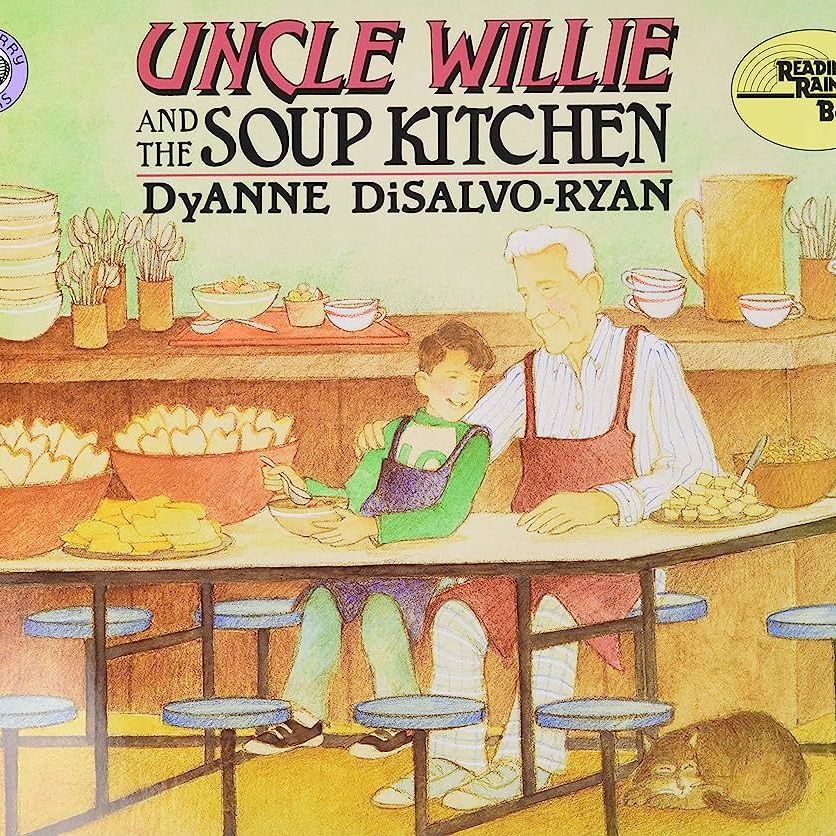
Uncle Willie and the Soup Kitchen by DyAnne DiSalvo-Ryan
Inspired by Dr. King’s fight against hunger, this lesson follows a boy volunteering at a soup kitchen and helps students understand food insecurity and the impact of small acts of kindness.