-
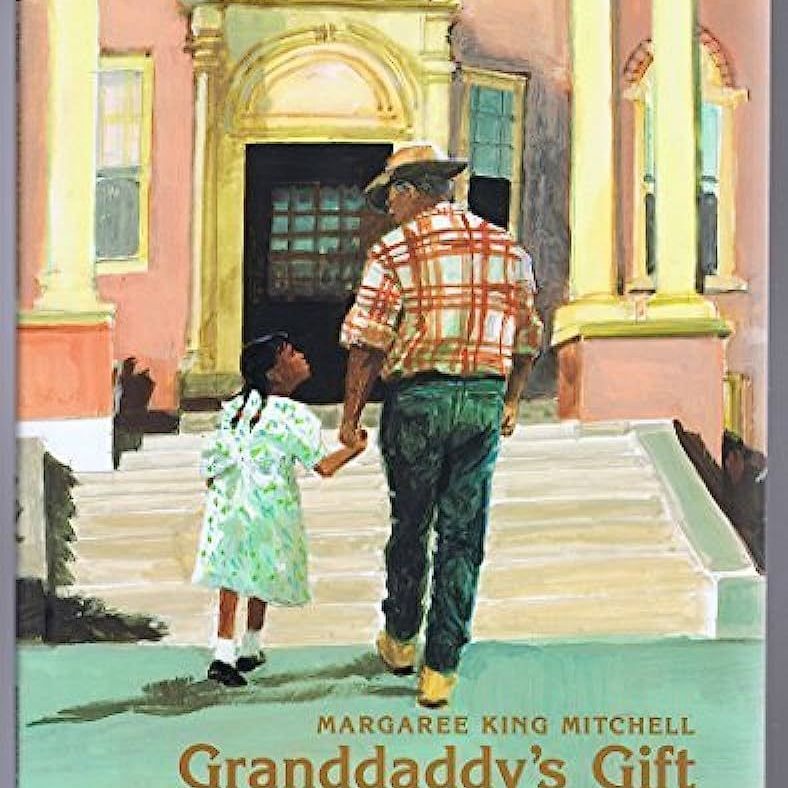
Granddaddy’s Gift by Margaree King Mitchell
Set after the 15th Amendment, Granddaddy risks everything to become the first Black man in his Mississippi town to register to vote. Students discuss why every voice matters and the barriers voters have faced.
-
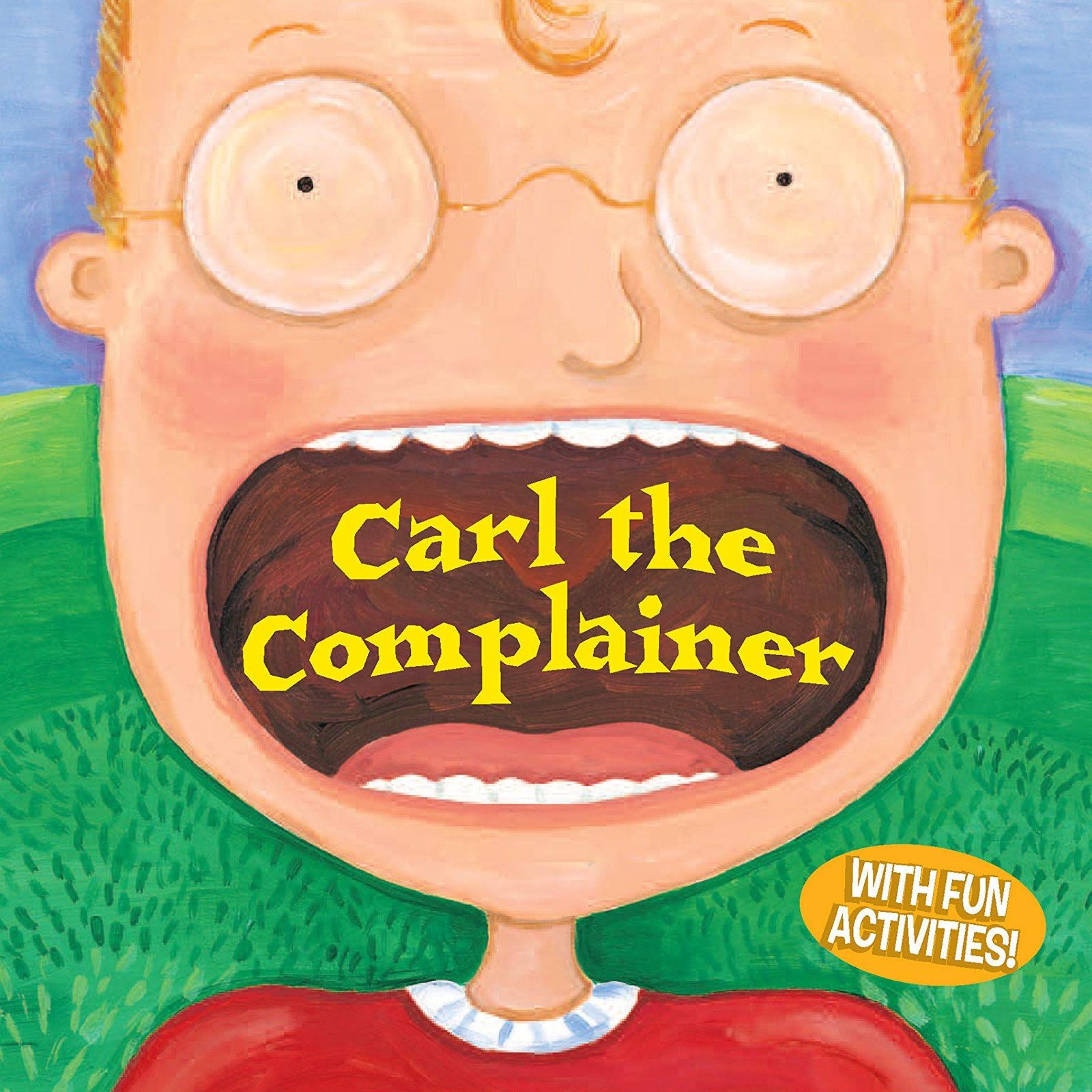
Carl the Complainer by Michelle Knudsen
Carl complains constantly about his neighborhood but never acts, until he finally does. Students reflect on turning complaints into action and consider what it takes to become a community leader.

-
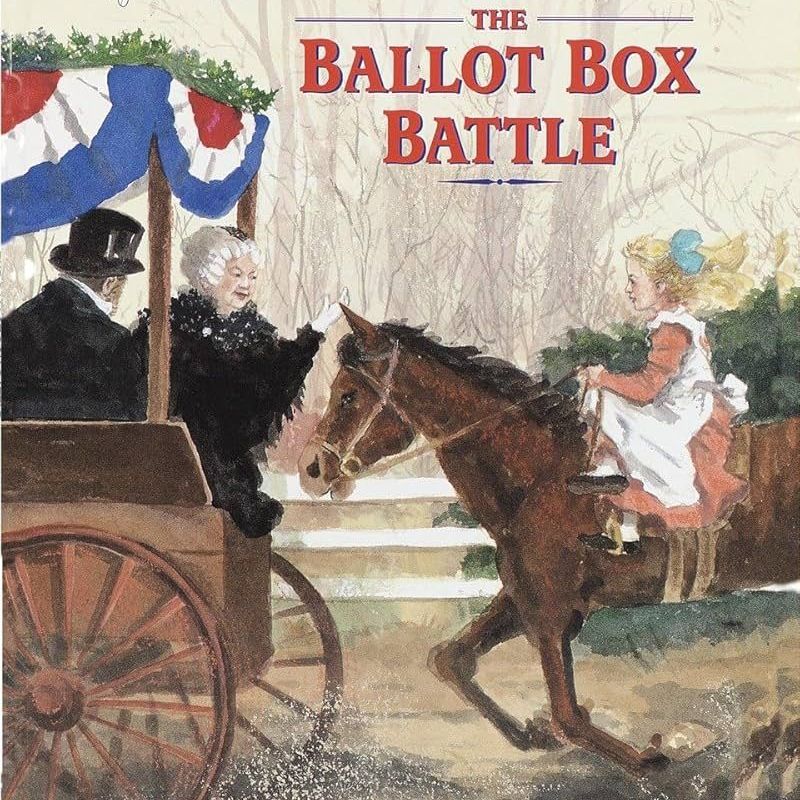
The Ballot Box Battle by Emily Arnold McCully
Looking at the 19th Amendment and the voting-rights struggles that continued for women of color afterward, students learn about suffrage activists and discuss ongoing challenges to voting access today.
-
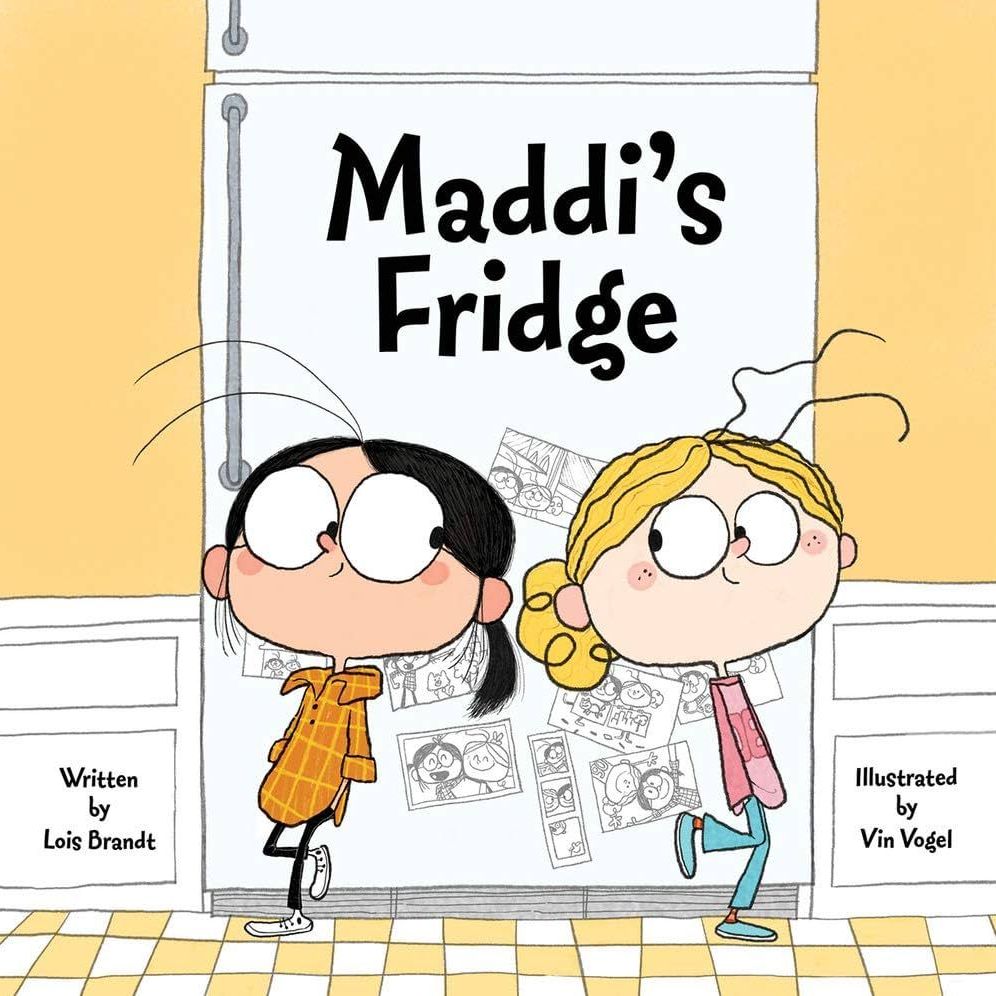
Maddi’s Fridge by Lois Brandt
Written with a 2nd-grade collaborator, this lesson uses Maddi’s empty fridge to introduce food insecurity, asking students to define the term in their own words and consider what they’d do if they were hungry.
-
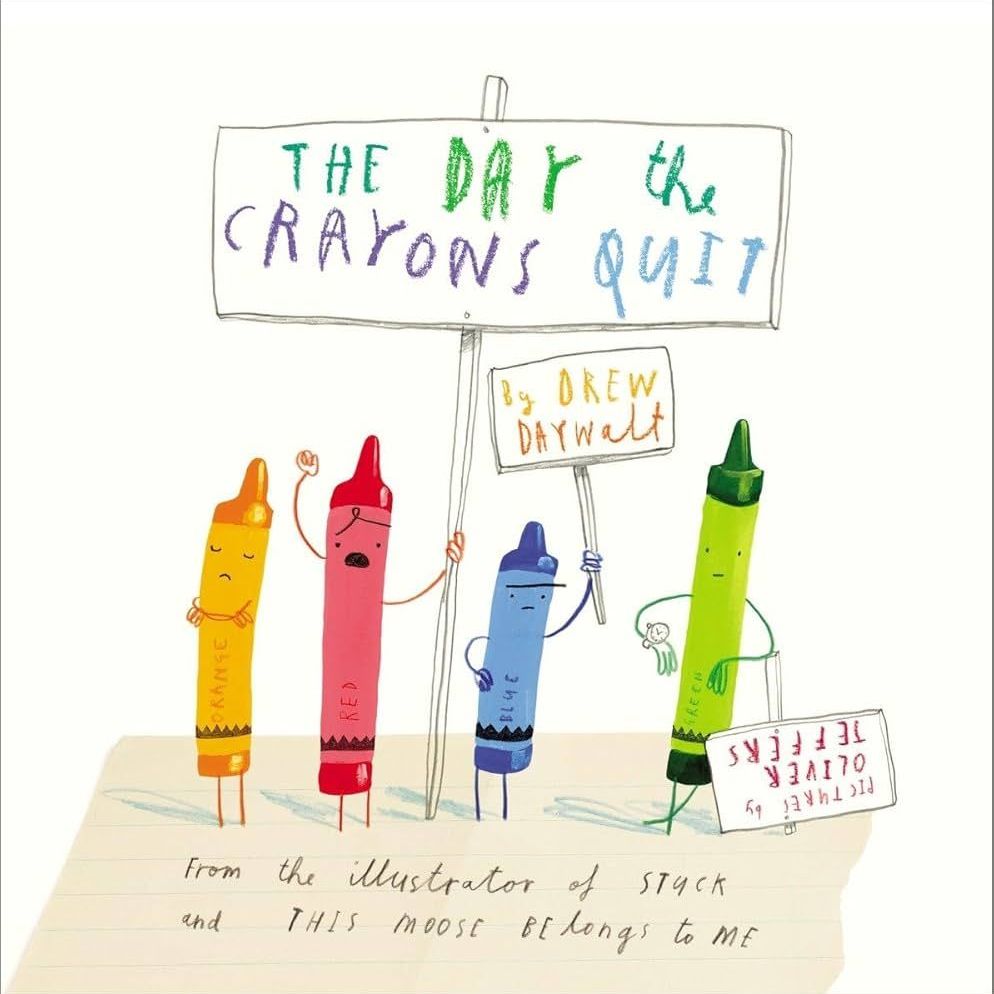
The Day the Crayons Quit by Drew Daywalt
Duncan’s crayons “quit” to voice their frustrations peacefully. Students connect the story to Dr. King’s philosophy of nonviolent action and consider how to use their own voice for positive change.
-
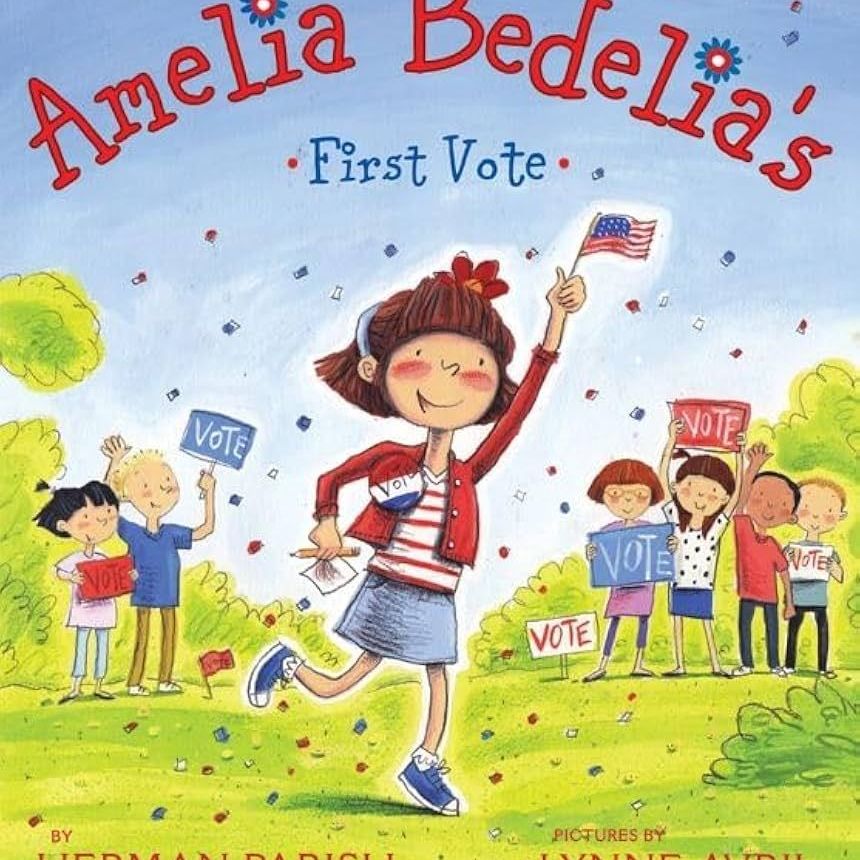
Amelia Bedelia’s First Vote by Herman Parish
Centers on student voice and civic responsibility, asking students to identify a rule at home, school, or in their community they’d like to change and think through how to advocate for that change.
-
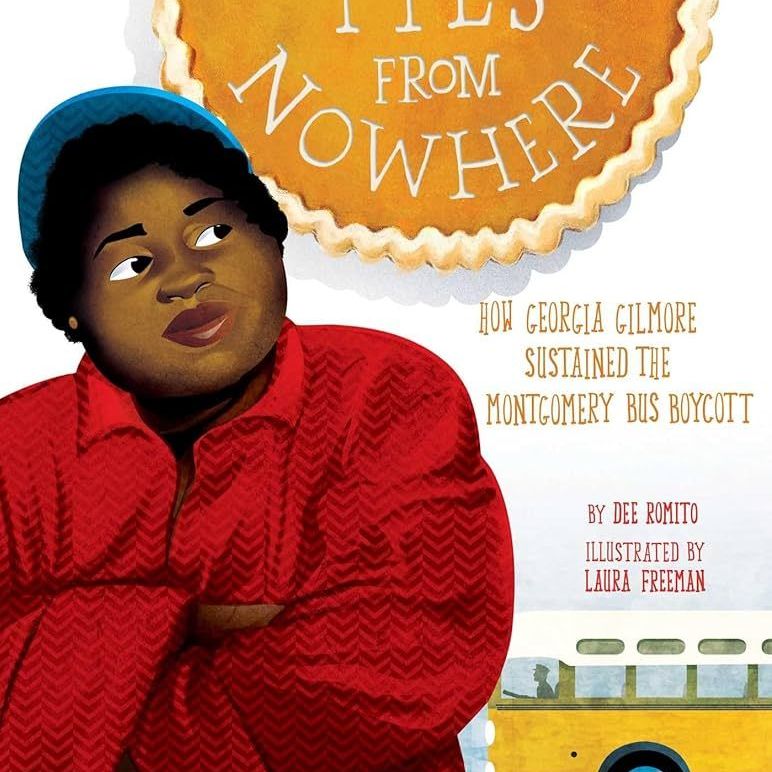
Pies from Nowhere by Dee Romito
The true story of Georgia Gilmore, who funded the Montgomery Bus Boycott by selling pies from “the Club from Nowhere.” Students consider how one person’s skills can fuel meaningful community change.
-
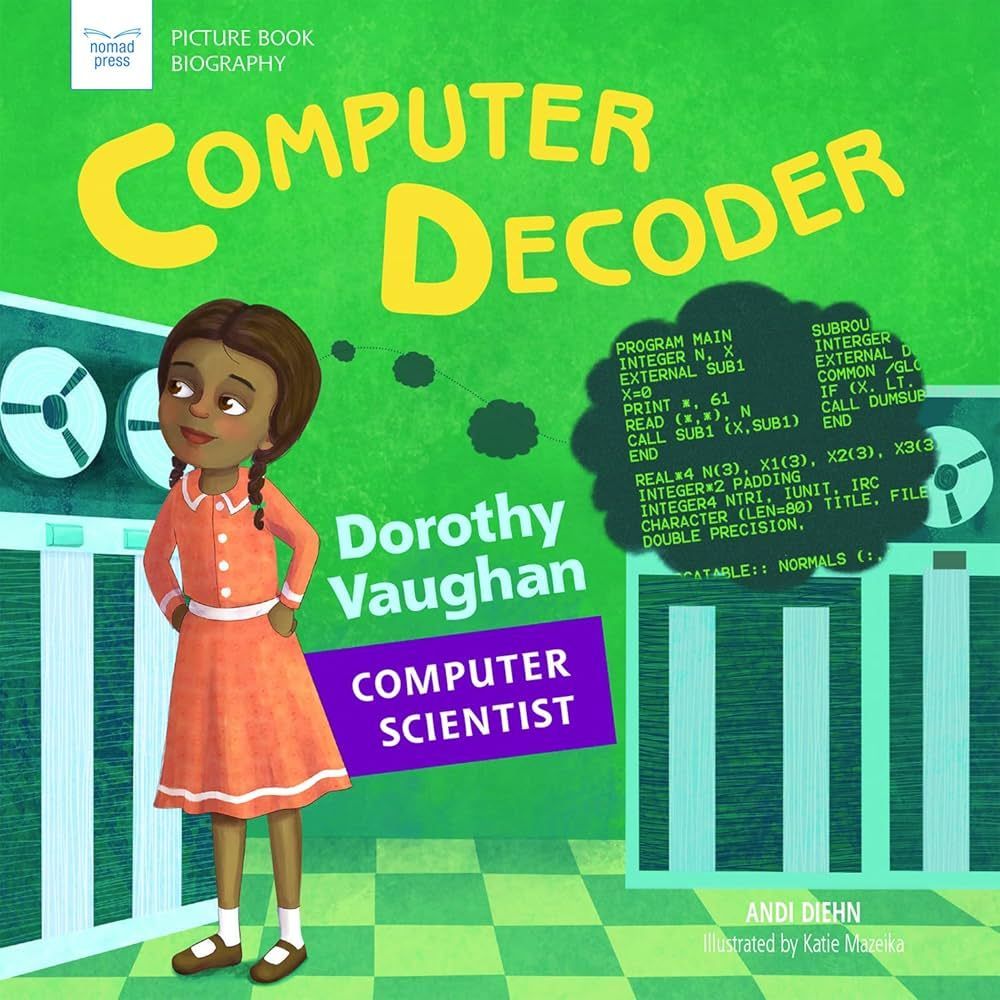
The Computer Decoder by Andi Diehn
Tells the true story of Dorothy Vaughan, a “human computer” at NASA who advocated for fair wages and recognition. Students connect her story to Dr. King’s work on labor rights and workplace fairness.
-
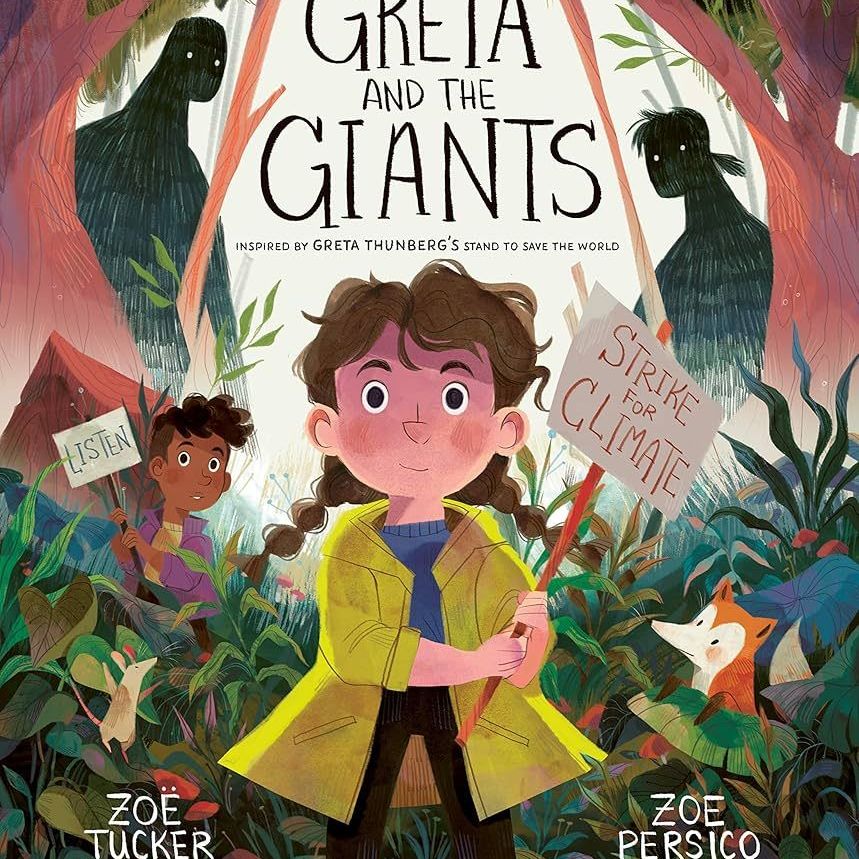
Greta and the Giants by Zoe Tucker
Inspired by Greta Thunberg’s climate activism, alongside other young changemakers like Marley Dias and Mari Copeny, this lesson encourages students to see themselves as capable of driving real-world change.
-
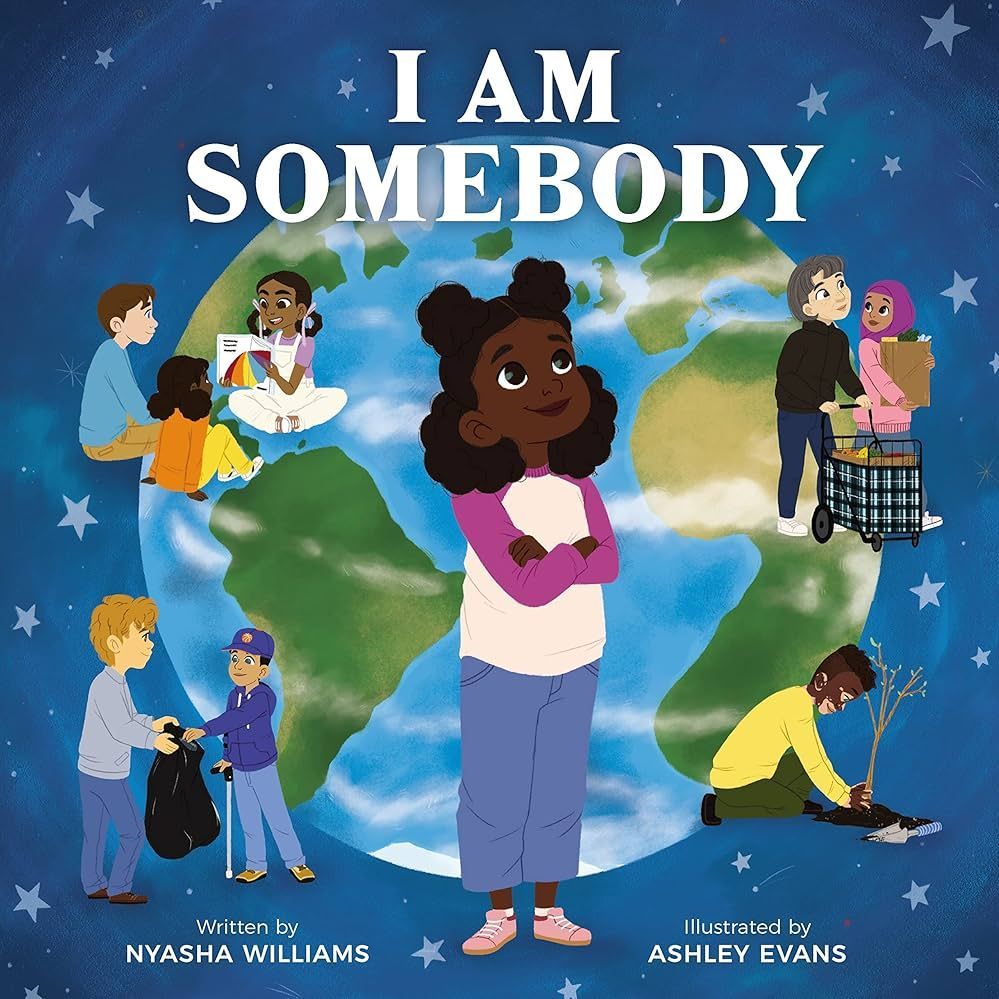
I Am Somebody by Nyasha Williams
Opens with a warm-up “minute mystery” before exploring everyday moments, like littering or teasing, where a bystander could step in. Students consider what it means to be the “somebody” who helps.
Archives: Curricular Resources