-
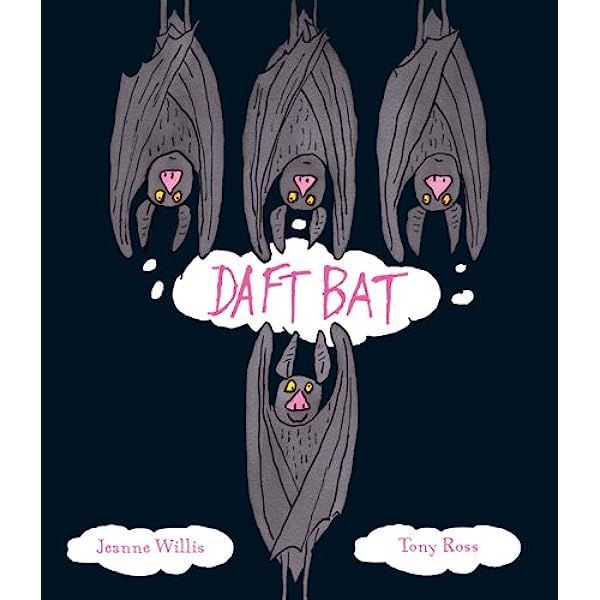
Daft Bat by Jeanne Willis
When the other animals think Bat is “daft” for seeing the world differently, students explore why differing points of view matter and practice handling a sticky situation involving a new classmate’s different school rules.
-
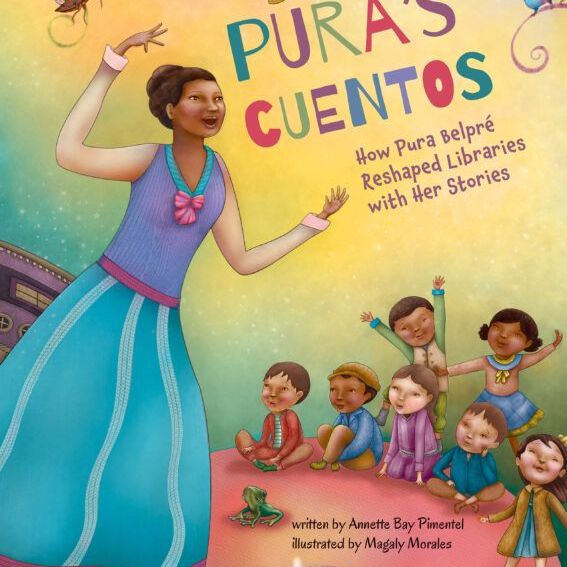
Pura Cuentos by Annette Bay Pimental
Tells the story of Pura Belpré, the first Latina librarian in New York City, who worked to make libraries welcoming spaces. Students discuss barriers to access and ways to champion fairness in their own communities.

-
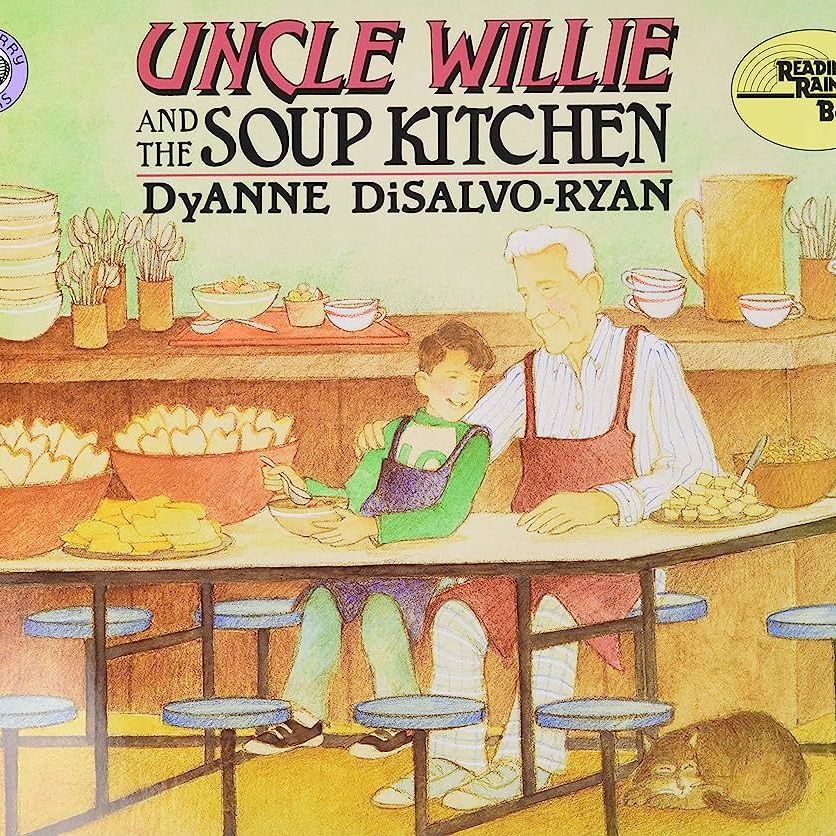
Uncle Willie and the Soup Kitchen by DyAnne DiSalvo-Ryan
Inspired by Dr. King’s fight against hunger, this lesson follows a boy volunteering at a soup kitchen and helps students understand food insecurity and the impact of small acts of kindness.
-
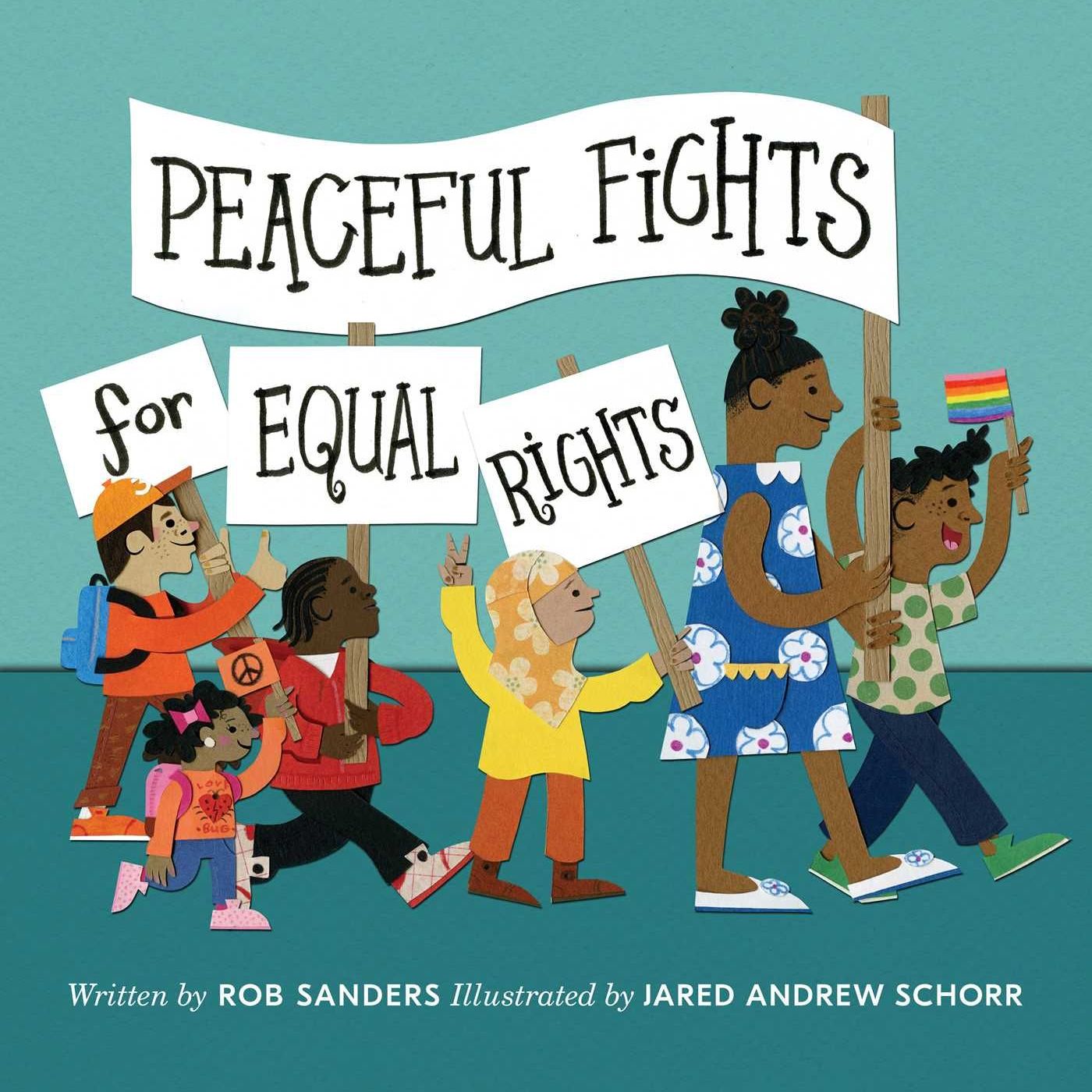
Peaceful Fights for Equal Rights by Rob Sanders
Explores Dr. King’s commitment to nonviolent protest through a local-government S.T.A.R. Card exercise, asking students to weigh both sides of a hypothetical school board decision before discussing the book.
-
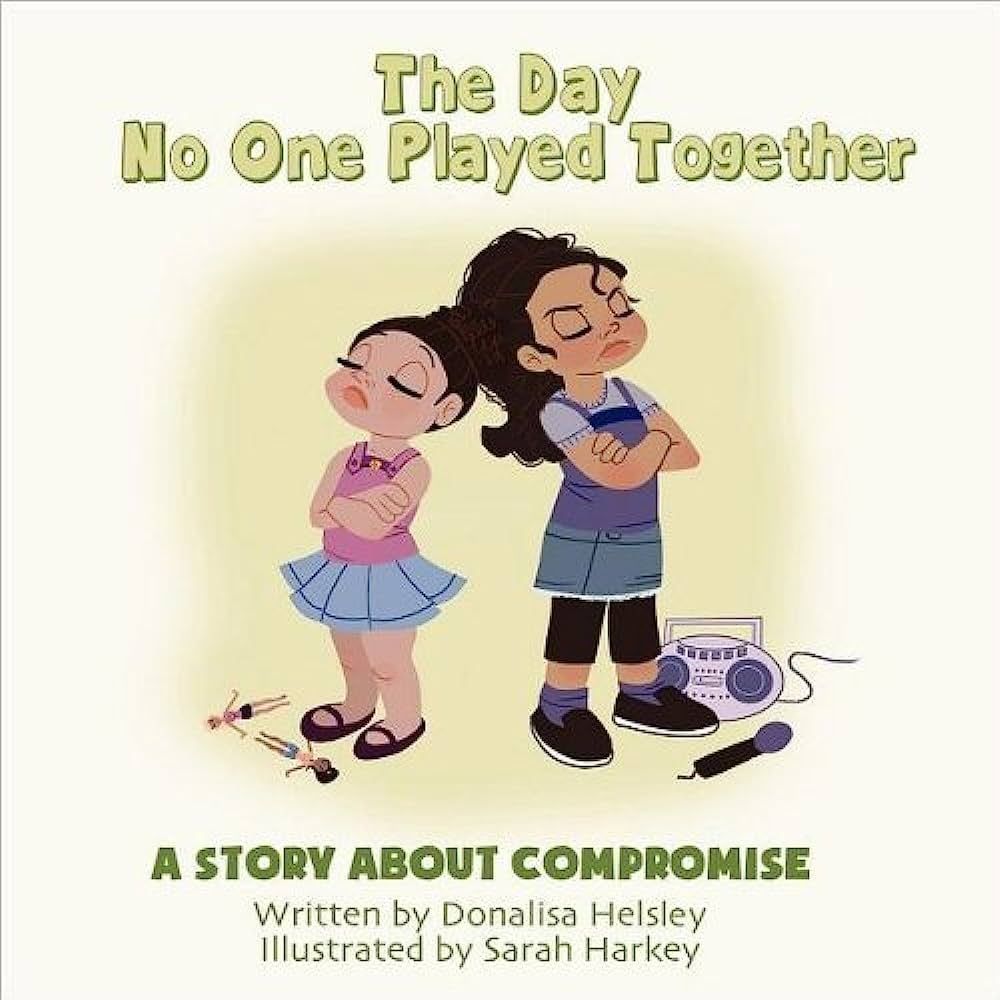
The Day No One Played Together by Donalisa Helsely
Sisters Jadyn and Genesis can’t agree on what to play until they find a compromise. Students examine the lose/lose cost of not compromising and practice applying the same skill to their own conflicts.
-
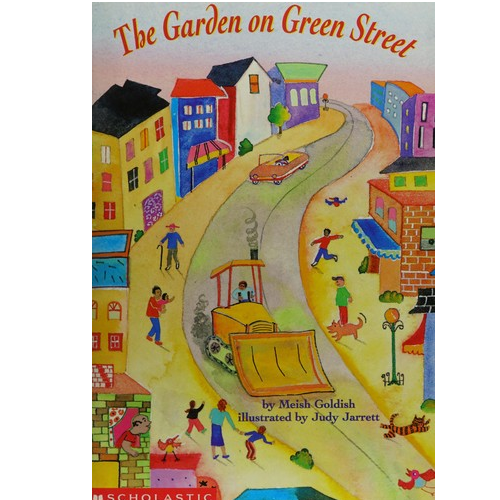
The Garden on Green Street by Meish Goldish
Neighbors build a garden on a vacant lot, only to have it threatened by developers. Students learn the difference between advocating for themselves, for others, and for broader community change.
-
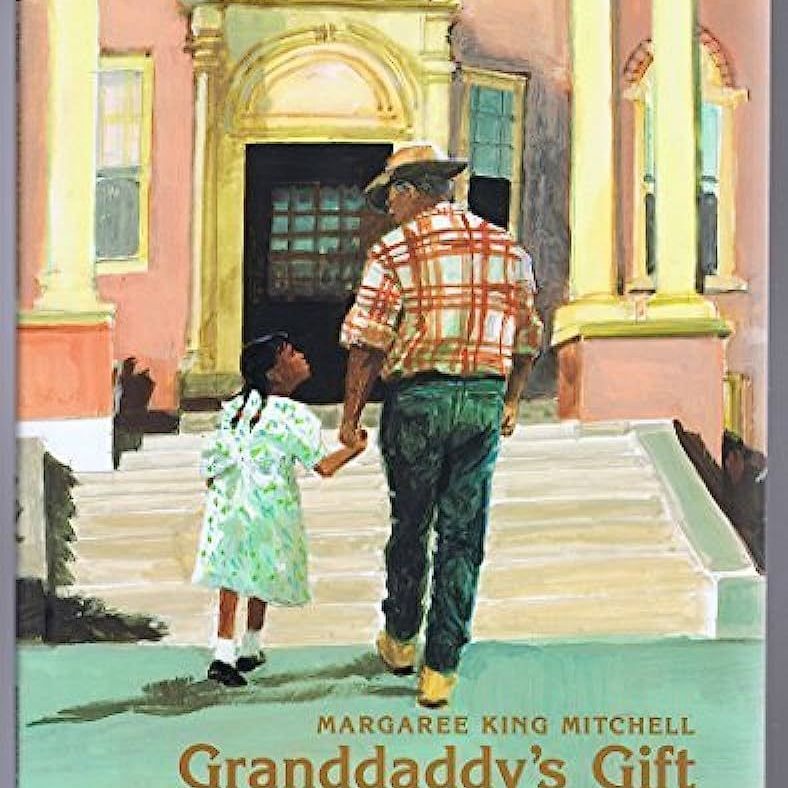
Granddaddy’s Gift by Margaree King Mitchell
Set after the 15th Amendment, Granddaddy risks everything to become the first Black man in his Mississippi town to register to vote. Students discuss why every voice matters and the barriers voters have faced.
-
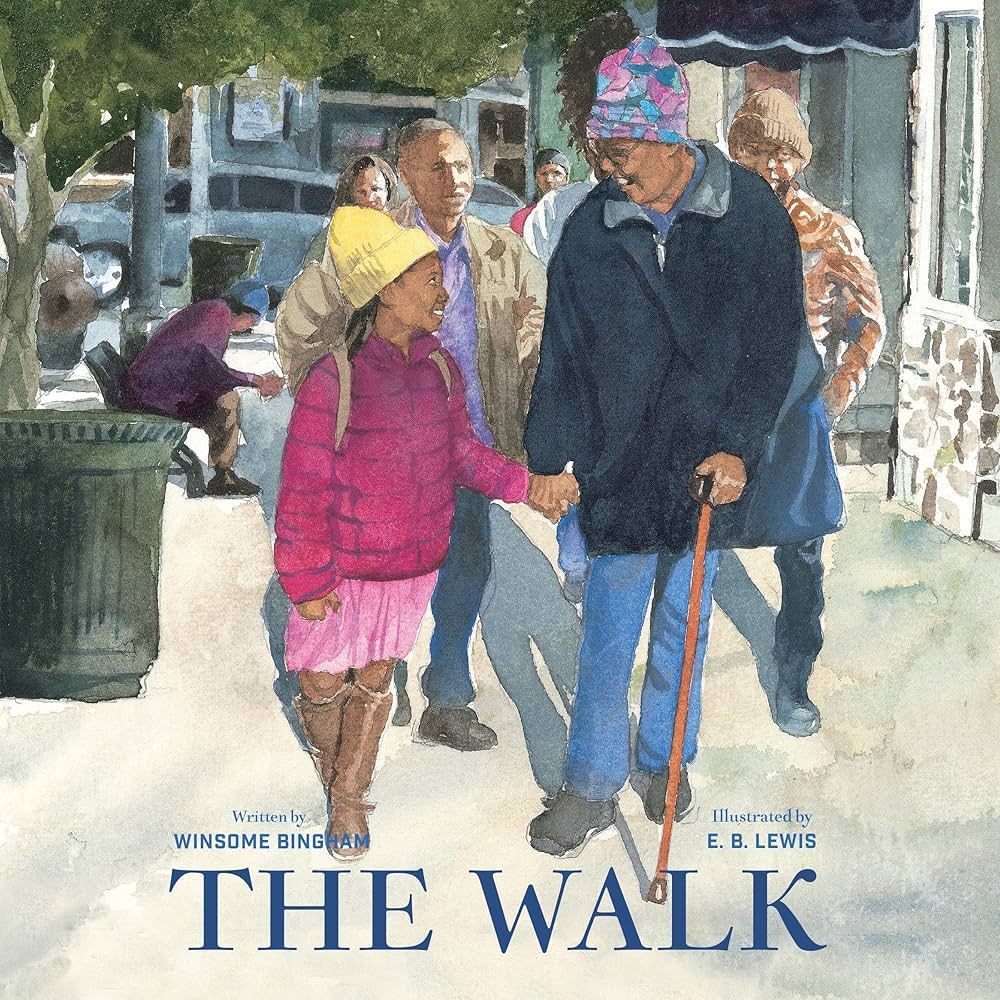
The Walk by Winsome Bingham
Centers on Dr. King’s belief that voting is the foundation of democracy, using a local-government S.T.A.R. Card about election-commissioner duties to connect the book’s story to real civic institutions.
-
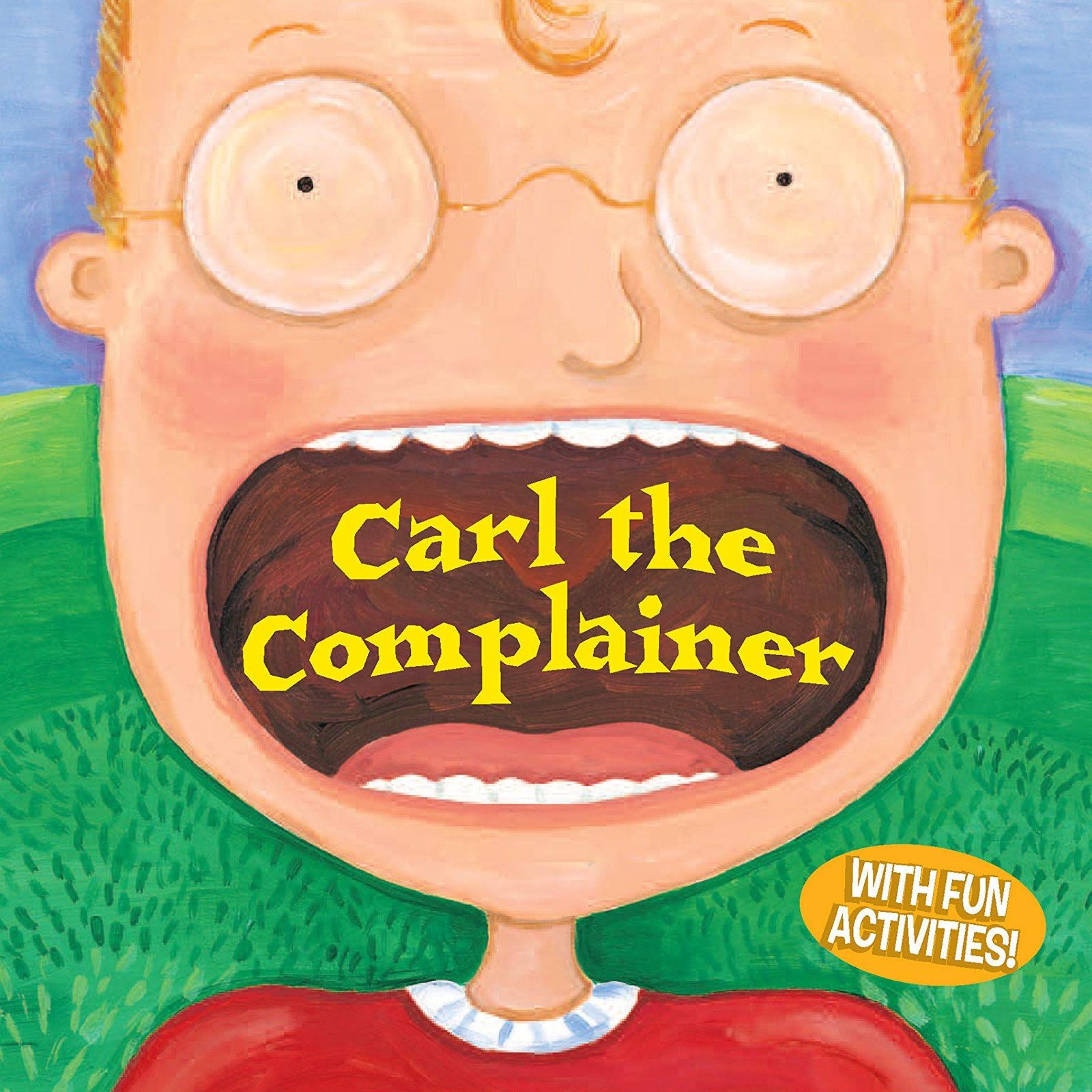
Carl the Complainer by Michelle Knudsen
Carl complains constantly about his neighborhood but never acts, until he finally does. Students reflect on turning complaints into action and consider what it takes to become a community leader.
-
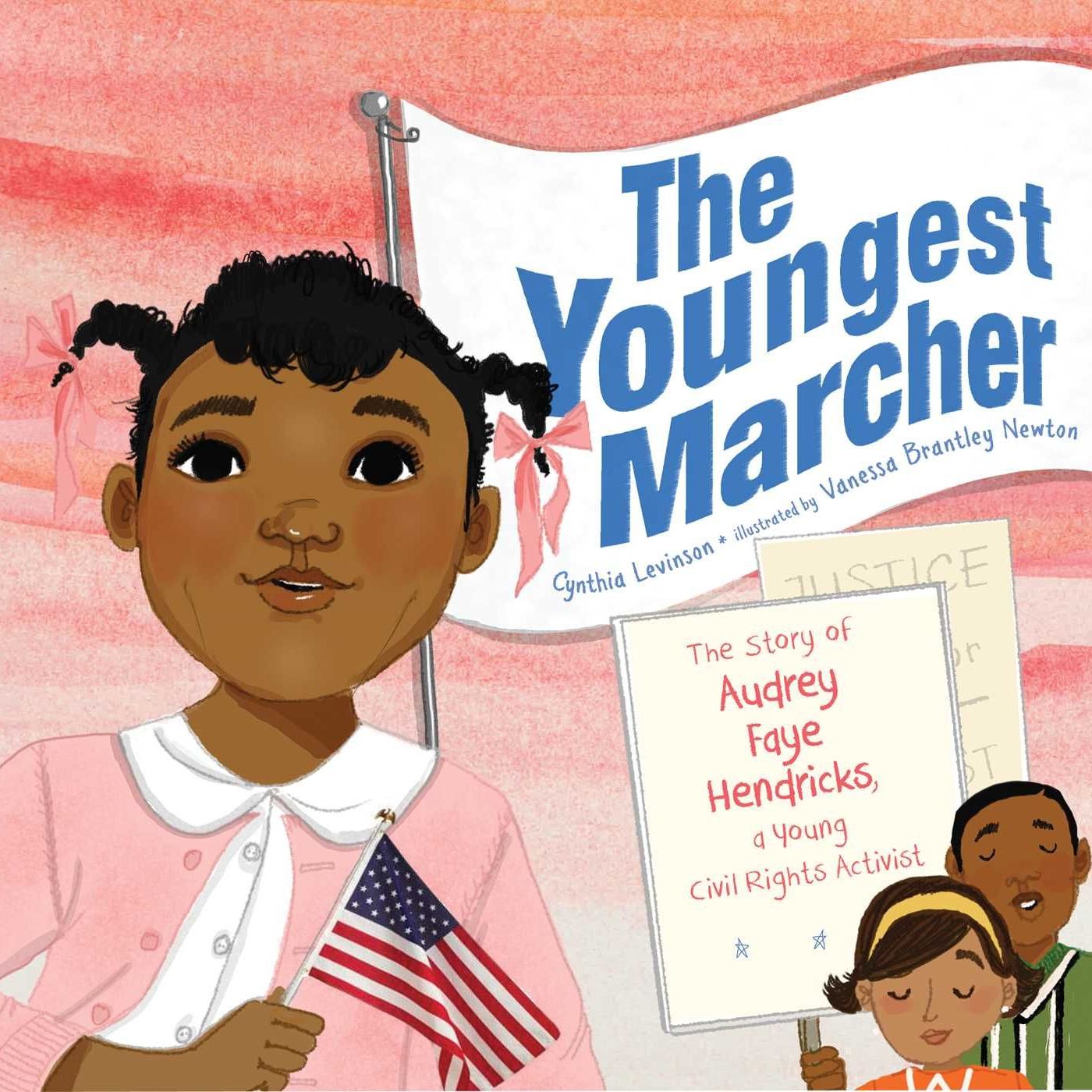
The Youngest Marcher by Cynthia Levinson
The true story of Audrey Faye Hendricks, a nine-year-old who joined the Civil Rights Movement, set against the history of segregation. Students connect her courage to youth activists making change today.
Curricular Resource Category: Reading List