-
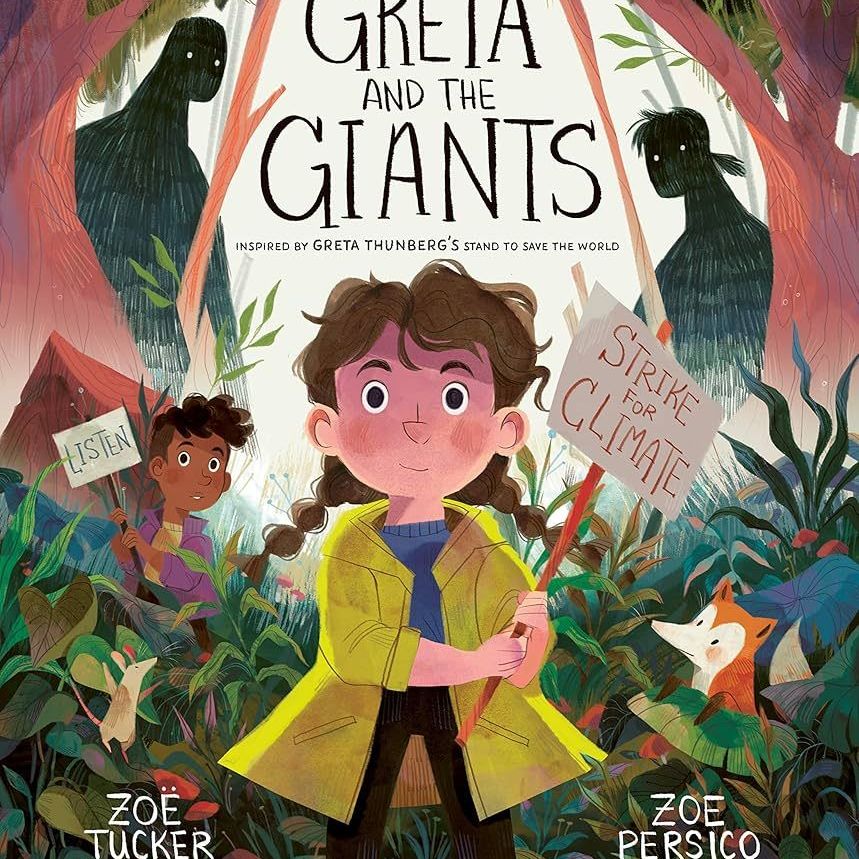
Greta and the Giants by Zoe Tucker
Inspired by Greta Thunberg’s climate activism, alongside other young changemakers like Marley Dias and Mari Copeny, this lesson encourages students to see themselves as capable of driving real-world change.
-
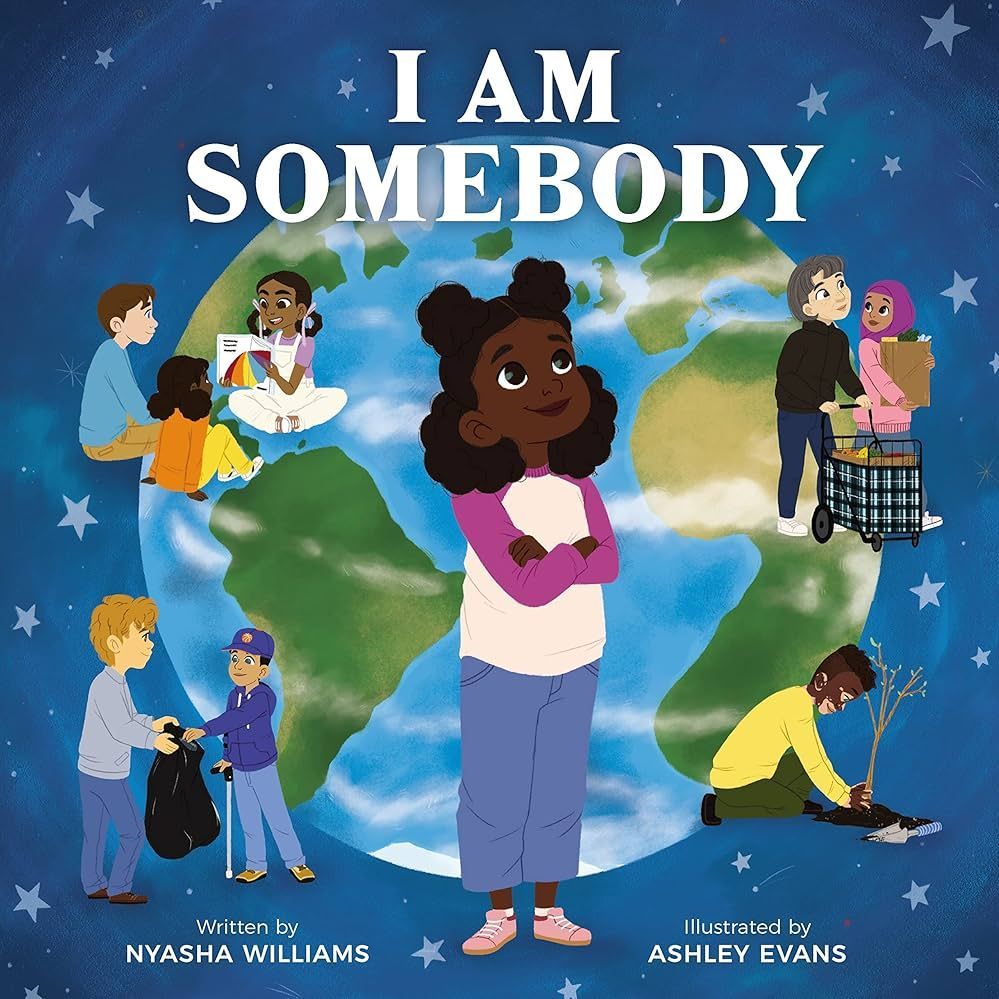
I Am Somebody by Nyasha Williams
Opens with a warm-up “minute mystery” before exploring everyday moments, like littering or teasing, where a bystander could step in. Students consider what it means to be the “somebody” who helps.

-
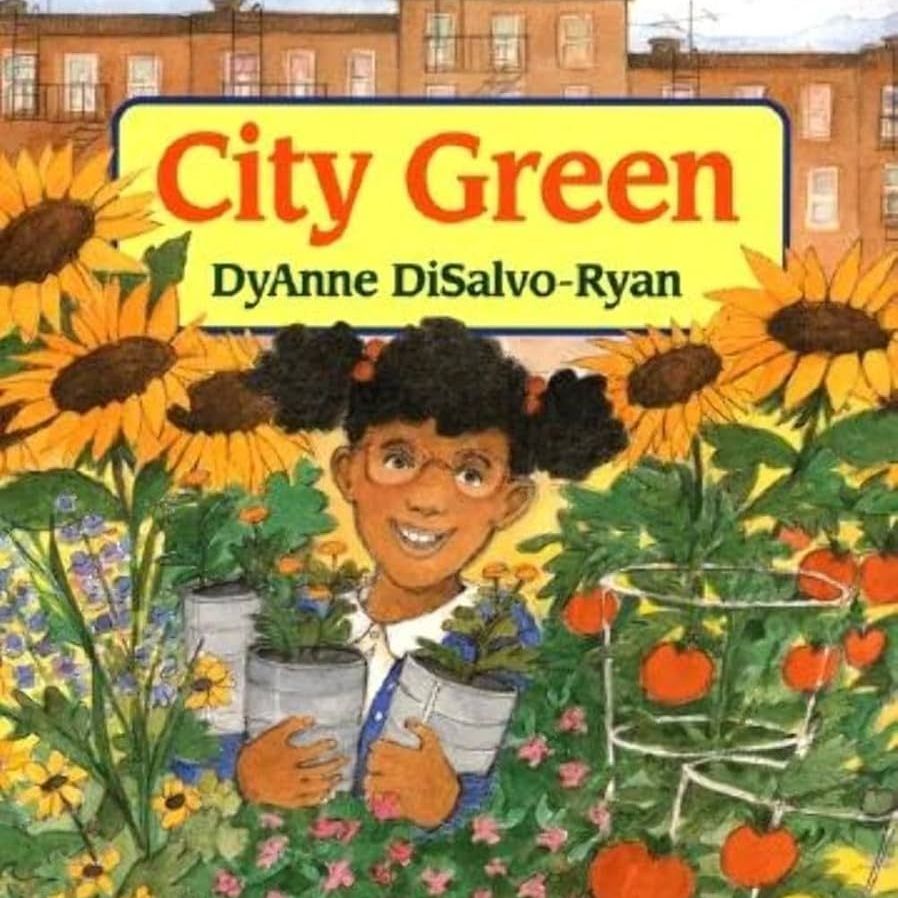
City Green by DyAnne DiSalvo-Ryan
Neighbors transform a trash-filled vacant lot into a community garden. Tied to a day of service honoring Dr. King, students discuss youth civic engagement and brainstorm ways to improve their own neighborhood.
-
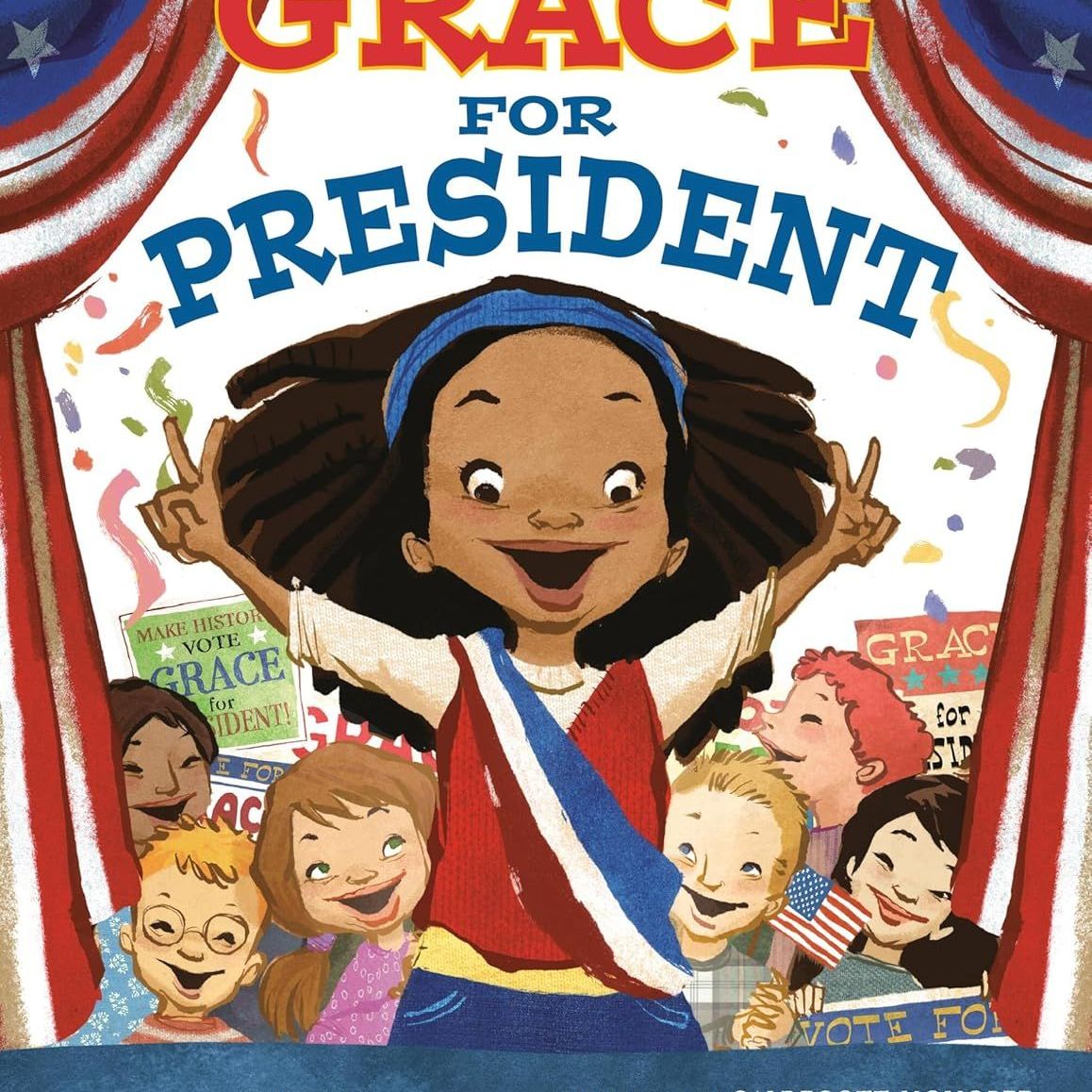
Grace for President by Kelly DiPucchio
Opens with a “minute mystery” warm-up before following Grace’s class election campaign. Students discuss the choice to vote, weigh candidates’ promises, and reflect on what makes someone an active citizen.
-
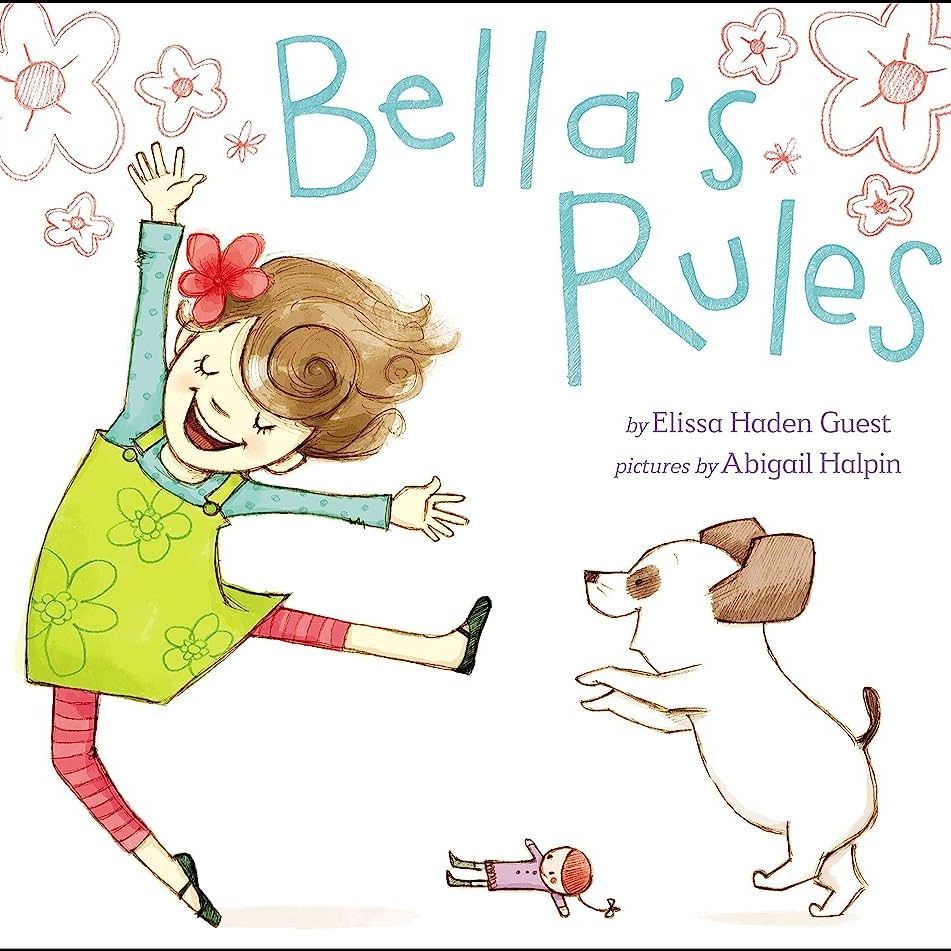
Bella’s Rules by Elissa Haden Guest
Bella prefers her own rules to her family’s, until getting a puppy who won’t follow rules either. Students discuss why rules exist, compare their own family rules to Bella’s, and consider whether some rules are made to be broken.
-
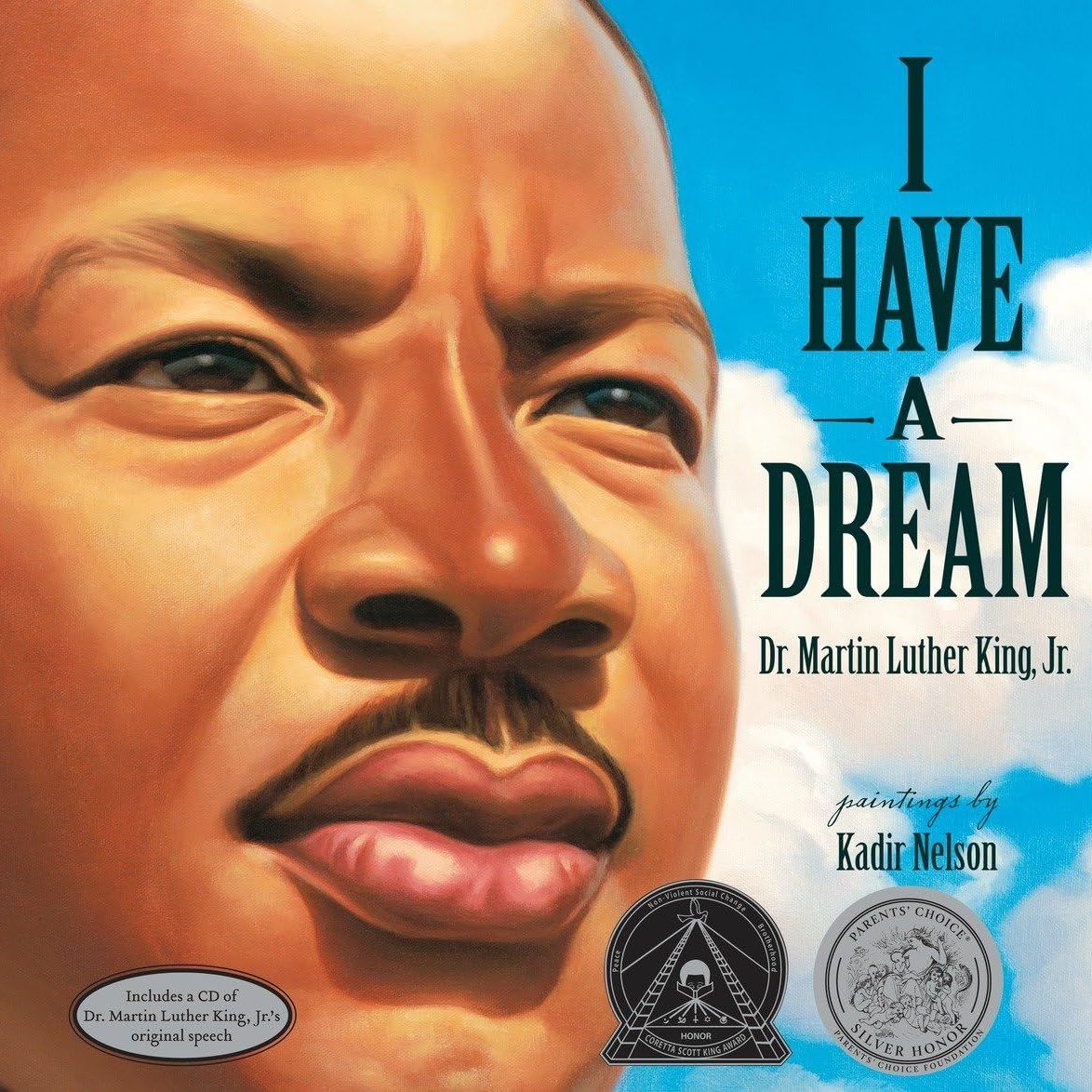
I Have a Dream by Dr. Martin Luther King, Jr., illustrated by Kadir Nelson
Students listen to or read Dr. King’s 1963 speech and reflect on how far the country has come toward his vision of freedom and equality, and what dream they hold for its future.
-
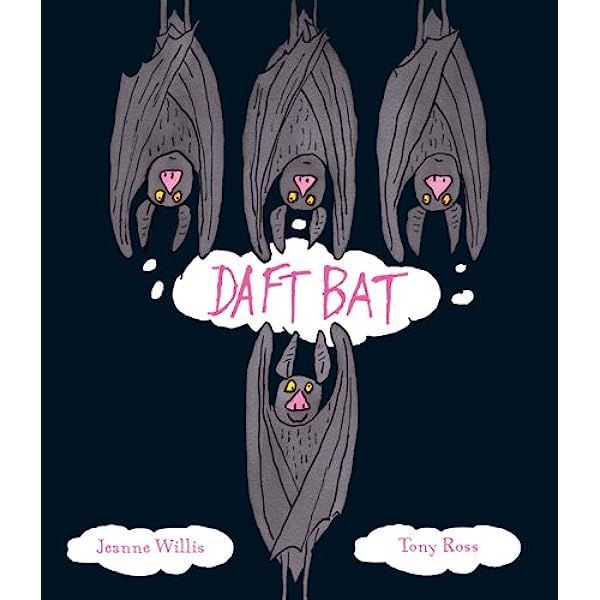
Daft Bat by Jeanne Willis
When the other animals think Bat is “daft” for seeing the world differently, students explore why differing points of view matter and practice handling a sticky situation involving a new classmate’s different school rules.
-
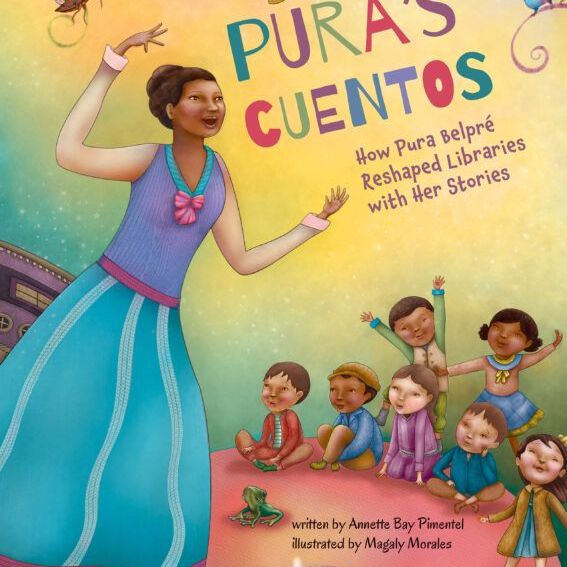
Pura Cuentos by Annette Bay Pimental
Tells the story of Pura Belpré, the first Latina librarian in New York City, who worked to make libraries welcoming spaces. Students discuss barriers to access and ways to champion fairness in their own communities.
-
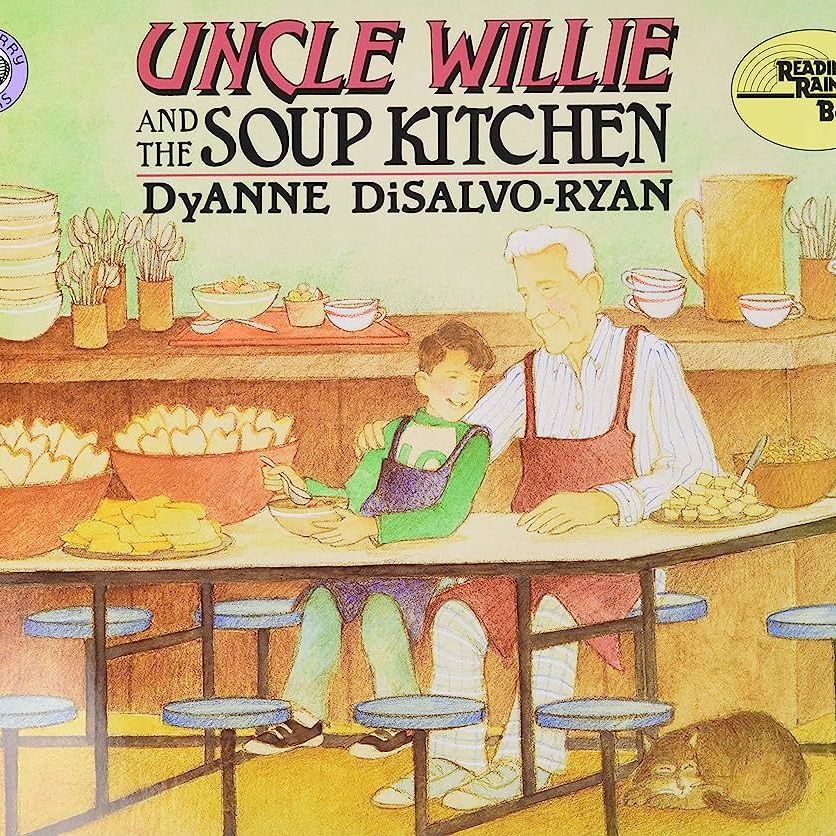
Uncle Willie and the Soup Kitchen by DyAnne DiSalvo-Ryan
Inspired by Dr. King’s fight against hunger, this lesson follows a boy volunteering at a soup kitchen and helps students understand food insecurity and the impact of small acts of kindness.
-
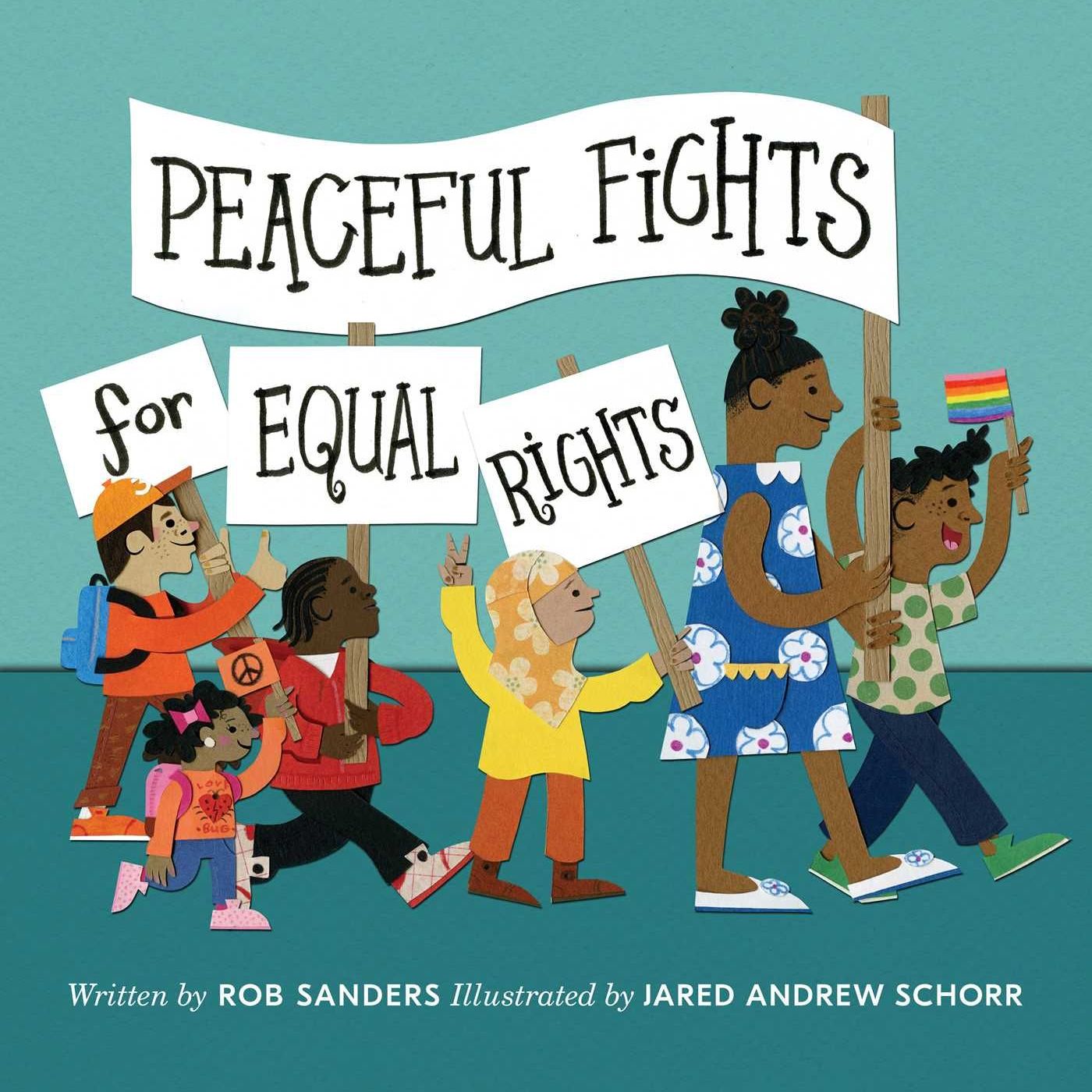
Peaceful Fights for Equal Rights by Rob Sanders
Explores Dr. King’s commitment to nonviolent protest through a local-government S.T.A.R. Card exercise, asking students to weigh both sides of a hypothetical school board decision before discussing the book.
Curricular Resource Category: Reading List